
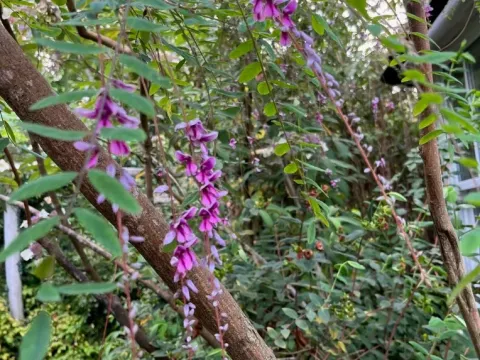
Indigofera fortunei
Indigofera fortunei
Indigofera fortunei is primarily propagated through seeds or vegetatively by cuttings. Sowing seeds in temperate climates is recommended in the spring after the soil has warmed up to 12–15 degrees Celsius.
What the section contains
Indigofera fortunei
To improve germination, seeds of this crop require pre-sowing scarification due to their dense seed coat. Soaking them in warm water for 24 hours helps accelerate embryo emergence and increases the growth energy of young seedlings.
For vegetative propagation, green cuttings are harvested in early summer and planted in a light, nutrient-rich substrate under film cover. Rooting occurs when high humidity and a stable temperature of around 20–22 degrees are maintained.
Planting seedlings in their permanent location should be planned for the second half of spring once the risk of late frosts has passed. This plant is sensitive to transplantation, so it is preferable to use container-grown plants with a closed root system.
The planting density of the shrub depends on its intended use: for hedges, maintain a distance of 50–70 cm between plants. Solitary plantings require a space with a diameter of at least 1–1.5 meters for proper canopy development.
The crop belongs to the Fabaceae family and is a deciduous shrub characterized by high ornamental value during the flowering period. The plant originates from East Asian regions, where it grows in mild climatic conditions.
Indigofera fortunei is light-demanding; therefore, sunny sites protected from cold winds should be chosen to ensure stable growth and abundant flowering. In shade, the shoots stretch out, and the intensity of inflorescence formation decreases significantly.
Soil preferences for the plant include well-drained, fertile loams or sandy loams with a neutral or slightly acidic pH. Water stagnation in the root zone is detrimental to this species, as it triggers the development of root rots.
Moisture availability must be moderate, especially during the active vegetation and budding phases. Regular irrigation is necessary during dry periods, although mature specimens show relative resistance to short-term drought.
Crop maintenance includes periodic weeding and loosening of the root zones, as well as the application of mineral fertilizers. Phosphorus-potassium complexes are preferred, as they promote prolonged flowering and proper shoot maturation before winter.
One of the primary risk factors for indigofera is infestation by powdery mildew under high humidity and poor ventilation conditions. Modern systemic fungicides are used to combat the fungus effectively.
The root system may be subject to attacks by soil pests, such as white grubs or nematodes. Preventive application of insecticides into the soil helps reduce the risk of root damage during the plant's early stages.
Aphids often attack young shoots and flower buds, sucking sap and inhibiting the plant's development. Regular inspection of the apical parts of the shrub allows for early detection of colonies and the application of eco-friendly pesticides.
Winter hardiness is a limiting factor for this plant; in northern regions, mulching the root system with a thick layer of peat or foliage is mandatory. Frost-bitten shoots require sanitary pruning in the spring.
Improper irrigation regimes or heavy clay soils facilitate the development of Fusarium wilt, which manifests as leaf wilting. Adhering to crop rotation rules and improving soil structure are the primary methods for managing pathogens.