
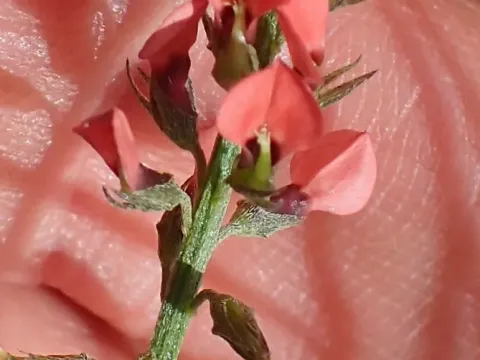
Indigofera fastigiata
Indigofera fastigiata
Indigofera fastigiata is typically sown at the onset of the rainy season to ensure the seedlings establish deep roots before the dry weather begins.
What the section contains
Indigofera fastigiata
Successful germination requires soil temperatures consistently between 20°C and 25°C, providing the energy needed for rapid early growth and development.
The seeds should be planted at a shallow depth of 1 to 2 centimeters to ensure they emerge effectively while maintaining adequate contact with soil moisture.
Row spacing is generally maintained at 30 to 40 centimeters to allow for optimal airflow, which is critical for preventing moisture-related fungal issues.
Pre-sowing seed treatment, including light scarification or soaking, is often recommended to break dormancy and ensure a uniform plant stand across the field.
This species thrives in well-drained loamy soils, where its root system can penetrate deeply without encountering compacted layers or prolonged waterlogging.
Being a sun-loving plant, it requires full exposure to sunlight throughout the day to support the metabolic processes essential for high biomass production.
As a member of the legume family, it improves soil health by fixing atmospheric nitrogen, serving as an excellent green manure or cover crop in rotation.
Indigofera fastigiata prefers tropical or subtropical climates, showing strong resilience against the thermal fluctuations common in these geographical zones.
While the plant is moderately drought-tolerant once established, maximizing forage or biomass yield requires consistent irrigation during the peak growing months.
The yield potential of this crop is largely dependent on the fertility of the soil and the duration of the favorable growing season available in the region.
High-density planting often leads to increased foliage production, which is particularly beneficial when the plant is harvested for green fodder purposes.
Regular pruning or cutting can stimulate secondary growth, significantly increasing the total accumulated biomass over the course of the harvesting period.
Optimal harvest timing is usually at the early flowering stage, as this is when the nutrient content, particularly nitrogen and proteins, is at its absolute peak.
Proper management of the cutting height ensures that the plant regrows quickly, allowing for multiple harvests within a single favorable seasonal cycle.
Seedlings are particularly vulnerable to soil-borne insects, which can severely impact establishment rates if the field has not been properly prepared beforehand.
Foliar diseases, such as leaf spot or rust, can emerge in high-humidity conditions, necessitating careful monitoring of the canopy health during rainy spells.
Aphids are the most common pests affecting the tender shoots of the plant, often requiring integrated pest management strategies to keep their numbers in check.
Implementing a strict crop rotation schedule helps to break the life cycles of common pests and pathogens that might otherwise persist in the soil environment.
Cultural control methods, such as removing infested plant debris and maintaining appropriate field sanitation, are effective in minimizing overall disease pressure.
Harvesting is typically executed using mechanical mowers or hand-cutting tools, depending on the scale of the agricultural operation and the field terrain.
The timing of the harvest is critical; cutting too late may lead to lignification of the stems, which reduces the nutritional value of the harvested biomass.
After the harvest, the material is often left to dry in the field for a brief period if it is intended for forage storage, ensuring a lower moisture content.
Sustainable harvesting practices involve leaving enough stubble to protect the root crown, which promotes faster recovery and vigor for the next growth flush.
Proper storage of the harvested yield in well-ventilated areas is essential to prevent mold growth and maintain the quality of the plant matter for later use.