
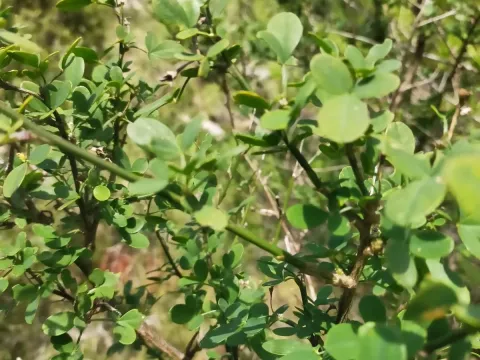
Genista patens
Genista patens
Sowing seeds of Genista patens is best performed in the spring once the soil temperature reaches 12–15 degrees Celsius. April is generally considered the optimal time for outdoor planting.
What the section contains
Genista patens
To improve germination rates, it is recommended to stratify the seeds for one to two months at low temperatures. This practice leads to more uniform and successful seedling emergence.
Seeds should be sown in light, well-draining soil at a depth of no more than 1–2 centimeters. Mulching the surface helps retain moisture during the initial development phase.
Vegetative propagation is achieved through stem cuttings taken in mid-summer after the flowering season. These cuttings are placed in greenhouse conditions with high humidity for rooting.
Since the plant develops a deep taproot system, it is advisable to minimize transplanting. Starting seeds in individual containers is often the most reliable method for nursery production.
Genista patens is a sun-loving plant that requires full sunlight throughout the entire day. Excessive shade results in leggy growth and a significant reduction in flower production.
The culture thrives in sandy or light loamy soils with neutral to slightly acidic pH levels. Good drainage is essential, as the species is highly sensitive to waterlogged conditions.
While the plant shows notable drought tolerance once established, regular irrigation is necessary during the first year of growth. Mature shrubs can withstand prolonged dry spells.
As a member of the Fabaceae family, Genista patens possesses the ability to fix atmospheric nitrogen via symbiotic bacteria. This biological adaptation allows it to flourish in nutrient-poor soils.
The ideal growing temperature range is 20–25 degrees Celsius. Winter hardiness is moderate, and in colder climates, light protection may be required during the winter months.
The economic value of Genista patens lies in its ornamental appeal and its function as a soil stabilizer. Its golden-yellow blooms provide excellent aesthetic value in landscape design.
This shrub serves as a valuable early-season honey source, attracting a wide range of pollinators. It is frequently included in ecological projects aimed at boosting local biodiversity.
Due to its extensive root system, Genista patens is highly effective in preventing soil erosion on slopes. It helps bind loose soil particles, providing long-term structural stability.
In medicinal herb production, the harvest involves collecting the aerial parts during the peak flowering period. This ensures the highest concentration of active compounds within the plant tissues.
With proper management, a plantation can remain productive for up to 15 years. Its durability makes it a cost-effective choice for long-term land management and revegetation programs.
The main threat to Genista patens comes from fungal infections that thrive in excessively humid conditions. Powdery mildew is the most common pathogen affecting the leaves and new stems.
Pests such as aphids and various leaf-eating beetles can cause significant damage to the plant's health. Early detection is crucial to prevent the deterioration of the shrub's aesthetic quality.
Under hot and dry conditions, spider mites may become a concern. Routine inspections of the foliage can help identify infestations early before they lead to severe stress.
Fungicides and systemic insecticides are effective measures for controlling both diseases and pests. Maintaining adequate spacing between plants improves airflow and reduces the risk of outbreaks.
Proper water management is the most effective preventative strategy. Avoiding stagnant water in the root zone significantly enhances the plant's natural resistance to diseases and decay.