
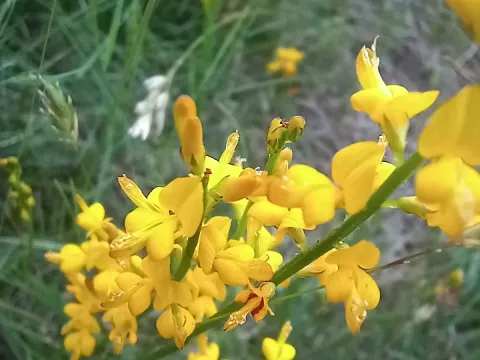
Genista micrantha
Genista micrantha
Sowing Genista micrantha is best performed in the early spring once the risk of severe frost has passed. Seeds should be sown in a well-draining medium to ensure optimal moisture levels without causing waterlogging.
What the section contains
Genista micrantha
It is essential to scarify the seeds before planting to break the seed coat dormancy. Soaking them in warm water for approximately 12–24 hours significantly improves the germination rate and uniformity of the seedlings.
The planting depth should remain shallow, typically around 0.5 centimeters. Covering the seeds with a light layer of vermiculite or fine soil helps retain necessary moisture while allowing sufficient oxygen exchange.
When starting indoors, maintain a temperature range of 18–22 degrees Celsius. Once the seedlings develop their first true leaves, they should be hardened off before being transplanted to their final location in the field.
Spacing is critical for the long-term health of the crop. Providing at least 50–70 centimeters between individual plants encourages airflow, which is vital for preventing fungal diseases in the humid spring months.
Genista micrantha is a member of the Fabaceae family, highly valued for its adaptability to nutrient-poor soils. It thrives in full sun, which is necessary for promoting dense flowering and a compact growth habit.
The plant demonstrates remarkable drought tolerance once established, thanks to its deep taproot system. It prefers sandy or rocky soils with neutral to slightly acidic pH levels and excellent drainage properties.
Soil fertility requirements are relatively low. Excessive nitrogen application should be avoided, as it stimulates vegetative growth at the expense of floral development and can reduce the plant's natural frost resistance.
Climate considerations are essential for success. While the species is resilient, it requires protection from harsh winter winds in colder zones to prevent branch dieback and root damage.
Regular maintenance involves light pruning post-flowering to maintain shape and remove damaged wood. This practice keeps the plant healthy and encourages robust growth in the following season.
The most significant threats to Genista micrantha are related to excessive moisture and fungal infections. Phytophthora root rot is a common issue when the plant is grown in heavy, poorly drained soil.
Powdery mildew can occasionally affect the foliage during periods of high humidity and stagnant air. Good spacing and strategic pruning are the best preventative measures to mitigate this risk.
Pests like aphids may target the succulent new growth during the spring. Monitoring is essential; localized outbreaks can usually be managed with organic insecticidal soaps or water sprays.
Weed competition is a major threat during the seedling stage. Young plants grow slowly and can be easily overwhelmed by aggressive weeds, so consistent weeding in the first year is vital.
In certain regions, caterpillars of specific moth species may feed on the leaves. While the plant often recovers, significant defoliation can weaken the shrub, particularly if it occurs shortly before the winter dormancy period.
Harvesting the seed is the primary agricultural activity for propagation purposes. It should be done when the seed pods have turned brown and dry, but before they spontaneously open and disperse seeds.
If grown as a bee-friendly plant, the main harvest is indirect through honey production. Beekeepers value the plant for its extended flowering period, which provides a reliable nectar source in late spring.
For ornamental purposes, harvesting refers to the careful pruning of branches. These clippings are often disposed of or used as biomass for composting, contributing organic nitrogen back to the soil.
When collecting plant material for research or pharmaceutical investigation, standardized protocols are followed to ensure the concentration of active alkaloids is captured accurately at the peak of the growing season.
Finally, end-of-season cleanup involves clearing dead material from the base of the plant. This simple task reduces the overwintering sites for potential pests and prepares the shrub for the coming spring cycle.