
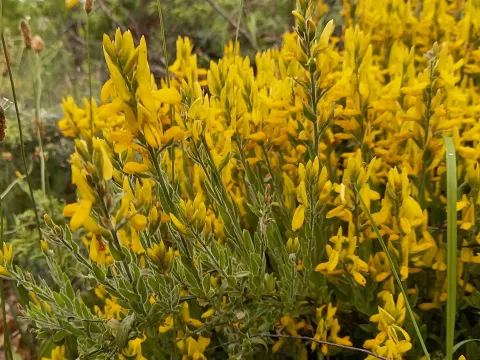
Genista ovata
Genista ovata
The propagation of Genista ovata is primarily achieved through seed sowing in early spring. Seeds require a cold stratification period of several weeks to break dormancy and ensure high germination rates across the plantation.
What the section contains
Genista ovata
Sow seeds at a shallow depth of approximately 0.5 to 1 centimeter in a well-draining, lightweight medium. Consistent moisture is crucial during the initial stages, but saturation must be avoided to prevent early seedling loss.
Vegetative propagation via semi-hardwood cuttings is the preferred method for maintaining genetic uniformity. Cuttings should be taken in late summer and placed in a greenhouse environment with high humidity and bottom heat.
After a successful rooting period of 4 to 6 weeks, young plants should be gradually acclimatized to lower humidity levels before being transplanted into individual pots or nursery beds.
Transplanting into the field requires careful handling of the root system to prevent shock. Spacing plants at least 60 centimeters apart allows for adequate airflow and ensures sufficient light penetration for mature specimens.
Genista ovata, a member of the Fabaceae family, is a deciduous shrub native to dry, open meadows and rocky slopes. It is highly valued for its ability to thrive in nutrient-poor environments where other species fail.
This crop demands full sun exposure to produce an abundant floral display. Limited sunlight will significantly impede growth and lead to elongated, sparse stems, compromising the structural integrity of the plant.
The ideal soil profile for Genista ovata is sandy, stony, or gravelly with excellent drainage. It performs best in alkaline or neutral soils and is extremely intolerant of standing water or heavy, compacted soil types.
Once established, the shrub is notably drought-tolerant, making it an excellent candidate for low-maintenance agricultural or landscape projects. Irrigation is largely unnecessary except during prolonged extreme heat waves.
Regarding climate, the plant is hardy but benefits from protection during exceptionally harsh winters. Mulching the base of the plant provides essential insulation for the root system in colder geographical zones.
Root rot is the most significant threat to Genista ovata, usually occurring due to excessive irrigation or poor drainage conditions. Preventing waterlogged soil is the primary defense against this pathogen.
Insect pests, such as aphids, occasionally infest the tender new growth during the spring season. Integrated pest management strategies, focusing on biological controls, are highly recommended to protect pollinators.
Fungal diseases like powdery mildew may arise if humidity remains consistently high around the foliage. Ensuring proper plant spacing facilitates air circulation and effectively mitigates these environmental risks.
Regular monitoring for leaf spotting or abnormal stem growth is essential. Removing and destroying affected plant material helps keep the surrounding population healthy and prevents the spread of infection.
Overall, Genista ovata is a robust and resilient species when provided with its preferred ecological niche. Adherence to a strict, minimal-moisture cultivation regime is the key to minimizing losses and maximizing longevity.