
Genista nissana
Genista nissana
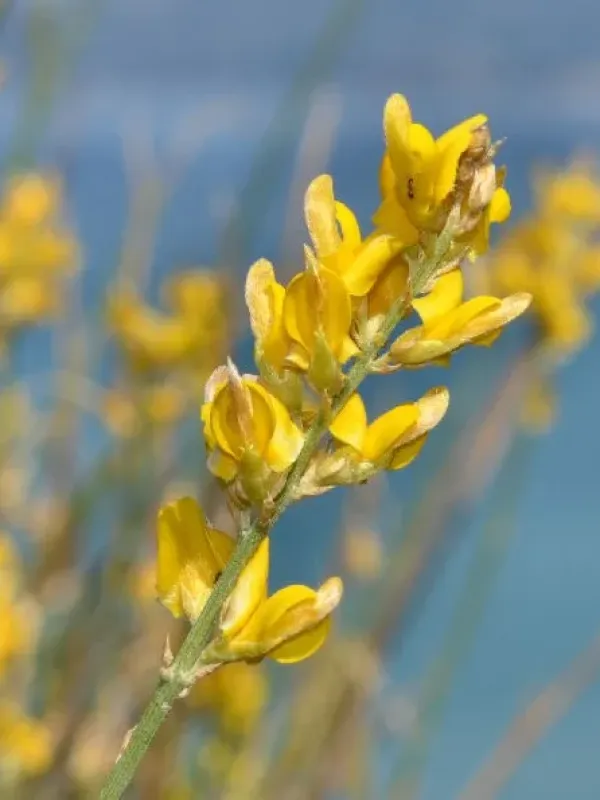
Description
Growing requirements
Genista nissana is a perennial shrub belonging to the Fabaceae family. This species is native to the Balkan region and is well-adapted to specific ecological niches, primarily characterized by harsh, dry, and rocky environments.
The plant exhibits high drought resistance, making it a robust candidate for cultivation in arid climates. It thrives best in well-drained, sandy, or rocky soil types, as it is highly sensitive to waterlogging which can quickly impair its root system health.
Climatic requirements for Genista nissana include abundant sunlight and sufficient air circulation. It is a heliophilous plant, meaning its growth rate and vitality are significantly increased when exposed to direct solar radiation for the majority of the day.
Regarding soil management, Genista nissana prefers neutral to slightly alkaline pH levels. Because it is a legume, it has the ability to fix nitrogen in the soil, which helps it maintain productivity even in relatively poor nutrient conditions.
Agricultural utility of this plant includes erosion control and its potential use in xeriscaping. Due to its dense root system and aesthetic floral spikes, it is increasingly valued for restoring degraded landscapes and supporting local pollinator populations.
Main diseases and pests
The most common agricultural threat to Genista nissana is root rot, which typically occurs when drainage systems are inadequate. Persistent soil moisture is the primary factor leading to fungal development and plant mortality.
Powdery mildew represents a significant foliar disease, especially in environments where humidity levels fluctuate frequently. This fungus coats the foliage, inhibiting photosynthesis and reducing the overall vigor of the shrub.
Aphids are frequent pests that target young, succulent shoots. If left untreated, severe infestations can lead to leaf curling and stunted growth, negatively impacting the plant's ability to store energy for the next growing season.
Seed-feeding insects pose a major risk to propagation efficiency. These pests target the pods, reducing the yield of viable seeds significantly and necessitating careful monitoring during the seed maturation phase.
Improper fertilizing practices are a major non-biological threat. Over-reliance on nitrogen-heavy synthetic fertilizers can lead to excessive, weak growth, rendering the plant more susceptible to both mechanical damage and cold stress during winter months.