
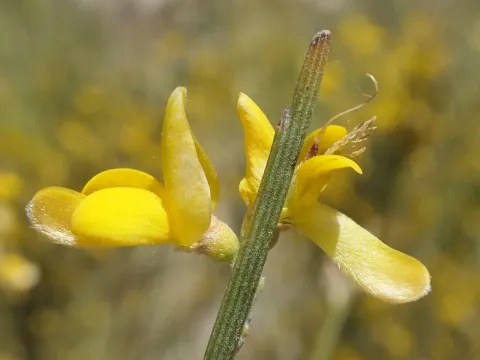
Genista spartioides
Genista spartioides
The sowing of Genista spartioides seeds is best performed in the spring when soil temperatures reach a stable range of 15-18 degrees Celsius.
What the section contains
Genista spartioides
Seeds benefit from a period of stratification, which significantly improves germination rates and vigor during the emergence of seedlings.
Seeds should be planted at a shallow depth of 0.5 to 1 centimeter, as they require adequate light exposure to initiate successful germination.
Scarification of the seed coat can be an effective method to facilitate moisture absorption and decrease the time required for field emergence.
Adequate soil moisture must be maintained during the initial establishment phase to ensure the plant roots develop properly in the substrate.
Genista spartioides is a member of the Fabaceae family, well-adapted to arid environments and characterized by its nitrogen-fixing capabilities.
The species prefers well-drained sandy or rocky soil types and thrives in neutral to slightly acidic conditions, avoiding any waterlogged locations.
As a sun-loving plant, it requires full exposure to sunlight and benefits from sites that are protected from severe, cold winter winds.
The plant demonstrates excellent resilience to high temperatures and prolonged dry periods, making it a suitable candidate for xeriscaping.
Agronomic management requires minimal fertilizer application, as the plant effectively enriches the soil through symbiotic nitrogen fixation.
The primary agricultural use of Genista spartioides involves land reclamation and the stabilization of sandy slopes to prevent soil erosion.
The plant is highly regarded as a nectar source, providing essential resources for pollinators during the dry summer months of the year.
The biomass of the shrub can serve as a beneficial source of organic matter, contributing to soil health when integrated into sustainable systems.
In ornamental horticulture, the plant is valued for its hardiness and ability to provide structural aesthetic appeal in dry garden environments.
Economic returns are generally realized through its role in large-scale landscaping projects and its sustainability in low-maintenance planting schemes.
Fungal pathogens represent the most significant threat, particularly in soils with poor drainage where moisture accumulation leads to root decay.
Pests such as aphids may occasionally target the soft growth of young shoots, potentially causing stunting if infestation levels become too high.
Powdery mildew can occur during periods of high atmospheric humidity and stagnant air, impacting the foliage quality of the plant population.
Root rot is the primary clinical issue associated with improper site selection and represents a difficult condition to manage once established.
Integrated pest management and regular inspection of the planting site are effective ways to mitigate the risk of disease spread within the field.
Seed harvesting is conducted when the pods reach full maturity and display a distinct brown color, signaling they are ready for collection.
Timely harvest is critical as the pods tend to shatter and disperse seeds rapidly upon drying, especially under direct, intense sunlight.
After collection, the seeds should be dried in a well-ventilated area before being threshed and cleaned of any remaining plant debris.
Properly stored seeds in breathable containers can remain viable for several years if kept in a cool, dark, and dry environment.
Pruning should be performed immediately after the flowering season to maintain plant shape and encourage robust growth for the following cycle.