
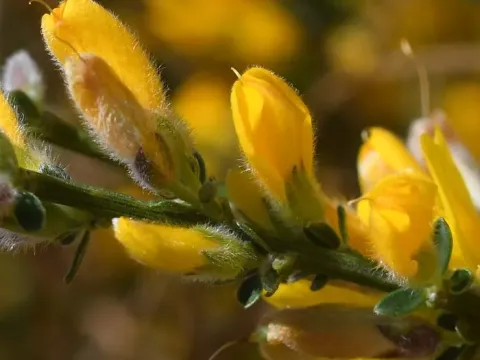
Genista ramosissima
Genista ramosissima
Genista ramosissima, a member of the Fabaceae family, is a perennial evergreen shrub native to the Mediterranean region. It is well-adapted to arid environments and open, sunny landscapes.
What the section contains
Genista ramosissima
The plant thrives in well-drained, sandy, or rocky soils with neutral to slightly acidic pH levels. It is highly resistant to drought, making it an excellent candidate for xeriscaping and dry climate agriculture.
Full sun exposure is crucial for the development of the plant. In shaded conditions, the shrub tends to become sparse, and its signature vibrant flowering is significantly inhibited.
In terms of temperature, Genista ramosissima is moderately frost-hardy. In colder zones, it is essential to provide winter protection or cultivate the plant in pots to avoid damage from extreme cold.
From an agricultural standpoint, this species is valued for its ability to fix atmospheric nitrogen, thereby improving soil fertility, as well as being a prolific source of nectar for pollinators.
Genista ramosissima generally maintains high resilience against pests and diseases, but improper irrigation leading to stagnant water can trigger root rot and fungal infections.
Common pests that may affect the plant include aphids and spider mites, which typically target new growth during warmer months, leading to leaf yellowing and stunted development.
Effective management includes regular monitoring, maintenance of adequate soil drainage, and the application of appropriate biological or chemical controls when pest populations exceed economic thresholds.
Pruning is an essential maintenance task. By removing dead or diseased branches, gardeners improve air circulation within the shrub canopy, which significantly reduces the risk of fungal outbreaks.
Keeping the root zone free from excessive moisture is the most effective preventative measure against the most common diseases associated with this leguminous shrub.