
Genista obtusiramea
Genista obtusiramea
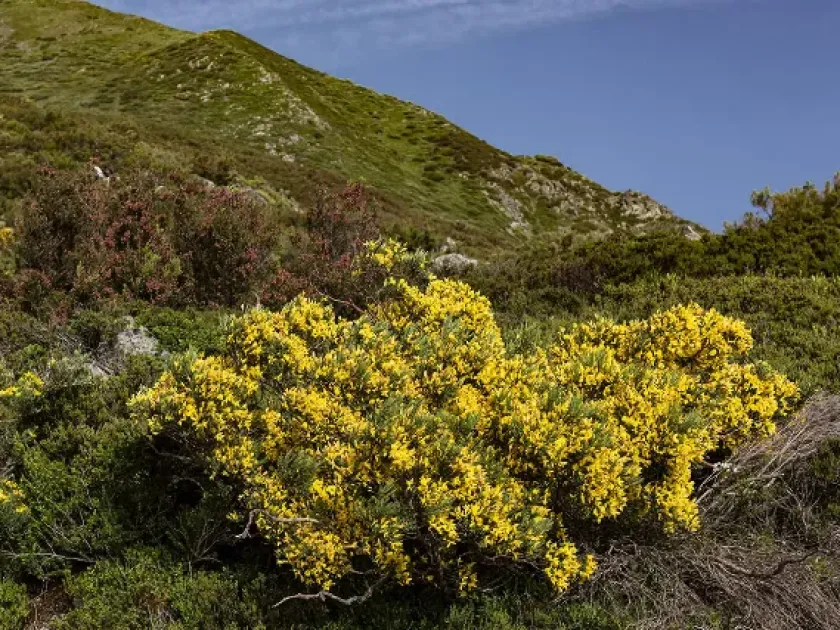
Description
Growing requirements
Genista obtusiramea is a perennial shrub belonging to the Fabaceae family. This species is known for its ecological role in nitrogen fixation, which significantly contributes to the fertility and structural improvement of poor-quality soils in arid regions.
The plant thrives in regions with high solar radiation, preferring fully exposed locations. It is highly adapted to Mediterranean-type climates, exhibiting superior tolerance to prolonged periods of drought and high summer temperatures compared to common forage crops.
Soil requirements for this species are centered on texture and drainage. It performs optimally in light, well-drained, sandy, or stony substrates. It is strictly intolerant of waterlogging, which often leads to root collar rot and decreased plant vigor.
Due to its hardiness, it is an excellent candidate for land reclamation and soil stabilization projects. Its deep root system helps in preventing soil erosion on hillsides and slopes, providing a natural barrier against degradation.
In terms of farm utility, this shrub serves as a valuable nectar source for bees and provides cover for local biodiversity. Its low input requirements make it a sustainable choice for diversifying agricultural landscapes and improving unproductive land parcels.
Main diseases and pests
Pest pressure on Genista obtusiramea is mainly associated with insects that target the foliage and floral buds. Weevils and aphids are among the primary threats that can reduce the ornamental and nectar-producing value of the plants if left unmanaged.
Root rot diseases are the most critical pathological threats. These are typically triggered by poor drainage or over-irrigation. Maintaining a dry root zone during the dormant season is essential for the longevity of the shrubs.
Powdery mildew may manifest during seasons with high humidity and poor air movement. Proper plant spacing and selective pruning to improve airflow within the canopy are the most effective cultural control methods for this condition.
Integrated pest management (IPM) strategies are recommended. This includes the use of selective biological agents that target specific pests while preserving the population of beneficial insects and pollinators visiting the flowers.
Routine site inspections are necessary to identify early signs of pathogen stress. By removing damaged branches and ensuring the plants are not overcrowded, farmers can maintain a healthy and productive stand of this leguminous shrub.