
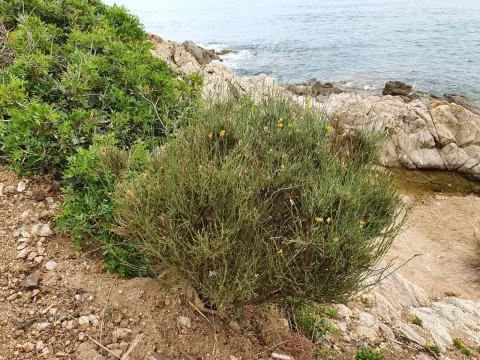
Genista numidica
Genista numidica
Genista numidica is a member of the Fabaceae (legume) family, characterized by its resilient shrubby growth habit and vibrant yellow flowers. It serves as an excellent ornamental species for landscaping projects in Mediterranean-like climates.
What the section contains
Genista numidica
The native distribution of this plant is centered in North Africa. Due to its evolutionary background, the species is highly adapted to high solar radiation and thrives in open, sunny locations where it can perform photosynthesis efficiently.
Regarding soil requirements, this plant prefers well-drained, sandy, or rocky soil compositions. It thrives in soils with lower nutrient density, where other more demanding species might fail, and requires a neutral to slightly acidic pH environment.
Genista numidica is renowned for its significant drought tolerance once established. The plant conserves water effectively, making it an ideal candidate for xeriscaping and sustainable water-management garden designs.
Beyond its aesthetic appeal, the species is recognized for its role in nitrogen fixation, which improves soil fertility. In agricultural and horticultural contexts, it is frequently used for soil stabilization and as a source of nectar for pollinators.
The most common health issues for Genista numidica arise from soil waterlogging, which often leads to root rot pathogens. Proper soil preparation is the key to preventing these losses.
Fungal infections, such as mildew or leaf spots, can occur if the planting density is too high or if air circulation around the shrub canopy is insufficient.
Pests such as aphids and leaf-eating beetles may occasionally target the succulent young shoots of the plant, especially during spring growth flushes.
Maintenance should include periodic pruning after the flowering season to stimulate vigorous new growth and ensure the shrub maintains an optimal shape.
Integrated pest management strategies are recommended, focusing on maintaining plant health through proper spacing and moisture control rather than heavy chemical use.