
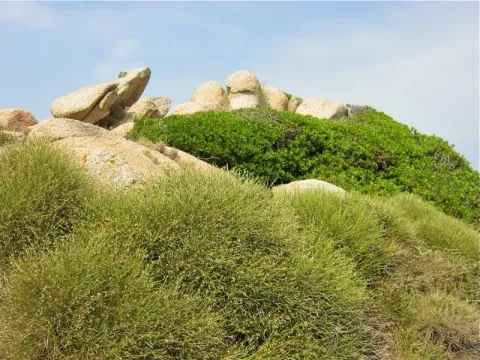
Genista ephedroides
Genista ephedroides
Sowing Genista ephedroides is ideally performed in early spring when soil temperatures reach stable levels. Because the seeds are protected by a tough, impermeable coat, they require scarification to facilitate germination and ensure uniformity across the field.
What the section contains
Genista ephedroides
Seeds should be planted at a shallow depth of approximately 1-2 centimeters. This depth allows for sufficient light exposure and gas exchange, which are critical for the early development of this shrub in its native environmental conditions.
Row cropping is the most efficient method for large-scale cultivation. Maintaining row spacing of 50-70 centimeters provides enough room for the plants to establish their complex root systems without excessive competition for resources.
Watering immediately after sowing is essential to initiate the germination process. However, as the seedlings emerge, irrigation should be gradually reduced to encourage the development of deep taproots, which provide long-term resilience.
Mulching is highly recommended during the first year of growth. It protects the soil surface from crusting and helps maintain a stable moisture level, preventing the young, delicate plants from suffering heat stress during the initial summer season.
Genista ephedroides is a member of the Fabaceae family, highly adapted to arid and semi-arid environments. It thrives in poor, sandy, or rocky soils that provide excellent drainage, mimicking its natural habitat.
The plant is an obligate heliophile, meaning it requires full, direct sunlight to maintain its structural integrity and photosynthetic activity. It is unsuitable for shaded areas, where it tends to become leggy and prone to fungal infections.
Climate tolerance is one of its primary agricultural advantages. The species is well-adapted to high temperatures and prolonged periods of drought, making it an excellent candidate for low-maintenance agricultural projects in Mediterranean-like regions.
Soil pH should ideally remain within the neutral to slightly alkaline range. High acidity can inhibit the symbiotic bacteria in the root nodules, which are essential for nitrogen fixation—a key benefit this plant provides to the surrounding ecosystem.
This shrub is exceptionally resistant to wind damage and saline aerosols, making it highly valuable for coastal reforestation and as a biological windbreak to protect more sensitive agricultural crops from mechanical damage.
Fungal pathogens associated with excessive soil moisture pose the greatest threat to the health of Genista ephedroides. Root rot is a common occurrence if the soil does not drain quickly after heavy rainfall or over-irrigation.
Pest pressure is relatively low due to the chemical defenses inherent in the plant's tissues. However, aphids may occasionally infest young terminal shoots, which can be managed through natural predators like ladybirds.
Powdery mildew can affect the foliage during periods of stagnant, humid weather. Maintaining proper spacing between plants ensures adequate air circulation, which is the most effective preventative measure against this disease.
Weevils can occasionally damage the reproductive parts, specifically affecting the quality of the seeds. Monitoring during the flowering stage is recommended for commercial growers focused on seed production.
Pruning is an important sanitary practice. Removing dead or diseased branches prevents the build-up of pathogens and promotes vigorous regrowth, ensuring the shrub remains productive throughout its long lifespan.