
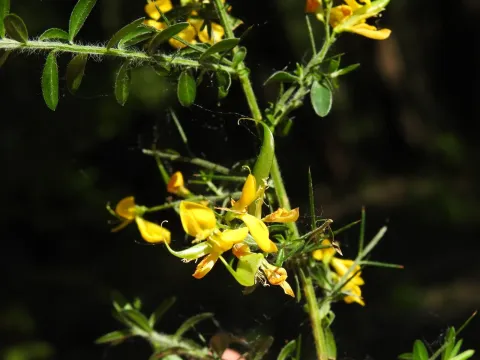
Genista falcata
Genista falcata
Sowing Genista falcata seeds is best performed in the spring when soil temperatures reach stable warm levels. The seeds have a hard seed coat and require scarification or soaking in warm water for several hours to enhance germination rates.
What the section contains
Genista falcata
For better control over plant development, seedlings should be started in containers filled with a sandy, well-draining potting mix. This practice allows for a stronger root system development before transplanting into the open ground.
The seeds should be sown at a depth of about 1 to 2 centimeters. Proper spacing of 50 to 70 centimeters between plants is essential to ensure adequate airflow as the shrubs mature and expand.
Autumn sowing is also an option in milder climates, taking advantage of natural moisture levels. This allows the seeds to undergo a natural stratification process, which often leads to more vigorous growth in the following spring.
Ensure the nursery site is well-lit and protected from extreme conditions during the early stages of growth. Young plants require consistent, though not excessive, moisture until they are fully established in their permanent location.
Genista falcata thrives in full sunlight, which is critical for its compact growth habit and abundant flowering. Partial shade can lead to leggy stems and reduced floral displays, making sunny spots mandatory.
The plant is highly adapted to poor, sandy, or rocky soils that offer excellent drainage. It struggles in heavy, waterlogged clay soils, which can lead to rapid root decay if not properly amended with organic matter or grit.
This shrub is exceptionally drought-tolerant once established, making it a sustainable choice for xeriscaping or gardens in low-rainfall regions. Supplemental watering is only necessary during extended heat waves or extreme drought.
The soil pH should ideally range from neutral to slightly acidic. In areas with highly alkaline soils, amendments may be needed to ensure optimal nutrient uptake and overall plant vitality.
Although it is relatively hardy, Genista falcata benefits from being sheltered from harsh, drying winds. During its first winter, it is recommended to provide a layer of mulch around the base to protect the root system from freezing temperatures.
Aphids are the most frequent pests observed on Genista falcata, particularly attacking the tender new growth during the spring season. Early intervention with neem oil or mild insecticidal soap can effectively manage populations.
Powdery mildew is a common fungal threat when humidity levels are high and air circulation is insufficient. Maintaining proper spacing and pruning to open the center of the shrub helps keep the plant dry and disease-free.
Root rot is typically associated with poor drainage rather than direct pathogen attack. Avoiding over-irrigation and ensuring the site stays well-drained are the primary methods for preventing this condition.
Leaf spot diseases can occur during wet, humid weather, causing unsightly brown spots on foliage. Pruning and removing fallen leaves and diseased branches help prevent the fungus from overwintering and reinfecting the plant.
Regular sanitation of the planting area is the best defense against pests and diseases. By keeping the base of the shrub clean and ensuring the plant has enough space, the overall health and vigor are naturally improved.