
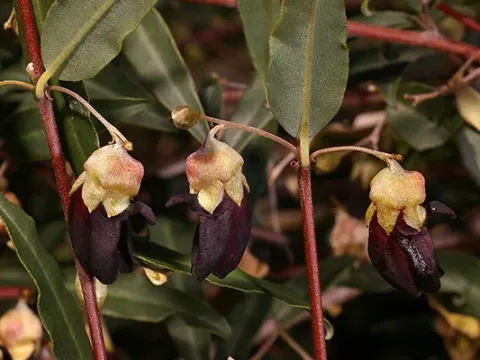
Gastrolobium
Gastrolobium
Gastrolobium is a genus of evergreen shrubs belonging to the Fabaceae family. These plants are endemic to Australia, primarily concentrated in the western regions of the continent where they thrive in harsh environmental conditions.
What the section contains
 Gastrolobium calycinum
Gastrolobium calycinum
Gastrolobium calycinum
 Gastrolobium celsianum
Gastrolobium crassifolium
Gastrolobium crassifolium
Gastrolobium densiflorum
Gastrolobium densiflorum
Gastrolobium floribundum
Gastrolobium floribundum
Gastrolobium celsianum
Gastrolobium celsianum
Gastrolobium crassifolium
Gastrolobium crassifolium
Gastrolobium densiflorum
Gastrolobium densiflorum
Gastrolobium floribundum
Gastrolobium floribundum
 Gastrolobium grandiflorum
Gastrolobium grandiflorum
Gastrolobium grandiflorum
 Gastrolobium laytonii
Gastrolobium laytonii
Gastrolobium laytonii
 Gastrolobium parviflorum
Gastrolobium parviflorum
Gastrolobium parviflorum
 Gastrolobium villosum
Gastrolobium villosum
Gastrolobium villosum
 Heart-leaf poison
Gastrolobium bilobum
Narrow-leaf gastrolobium
Gastrolobium stenophyllum
Oval-leaf poison pea
Gastrolobium ovalifolium
Heart-leaf poison
Gastrolobium bilobum
Narrow-leaf gastrolobium
Gastrolobium stenophyllum
Oval-leaf poison pea
Gastrolobium ovalifolium
 Silky poison pea
Gastrolobium sericeum
Silky poison pea
Gastrolobium sericeum
 Spiny poison pea
Gastrolobium spinosum
Spiny poison pea
Gastrolobium spinosum
Gastrolobium
The botanical structure of these shrubs includes simple or compound leaves, often featuring stipules that evolve into protective spines. The flowers, typically appearing in clusters, display the classic pea-flower morphology, which is highly attractive to native insects.
These plants are highly specialized to grow in nutrient-poor, well-drained sandy or rocky soils. They have developed significant drought tolerance, allowing them to remain resilient in areas where other vegetation would fail to survive.
The most distinctive biological feature of Gastrolobium is the production of monofluoroacetate. This potent toxin serves as an evolutionary defense mechanism against herbivory, effectively deterring many mammal species from consuming the plant.
Due to its high level of toxicity, Gastrolobium is not utilized as an agricultural crop. Instead, it serves as a critical component of Australian bushland ecosystems, providing habitat and contributing to the biodiversity of the region.
Natural threats to Gastrolobium populations primarily involve environmental changes and habitat fragmentation. While these plants are fire-adapted, excessive wildfire intensity or frequency can impede the natural regeneration from the seed bank.
Fungal pathogens such as root rot and leaf spot can affect the plants, particularly when grown in conditions with poor drainage or stagnant humidity. Such diseases can weaken the structural integrity of the stems and reduce overall plant vitality.
Specialized insect herbivores have evolved to bypass the plant's toxic defenses, occasionally causing localized leaf damage. While usually not lethal to mature shrubs, severe infestations can stunt growth during critical development phases.
Invasive plant species present a persistent threat by competing for limited sunlight, water, and soil space. This competition can prevent the establishment of new seedlings, leading to a gradual decline in local population density over time.
Environmental stress factors, including prolonged climate shifts, can lead to increased vulnerability to common pathogens. Scientific research continues to focus on how Gastrolobium maintains its defensive chemical output under changing environmental pressures.