
Gastrolobium celsianum
Gastrolobium celsianum
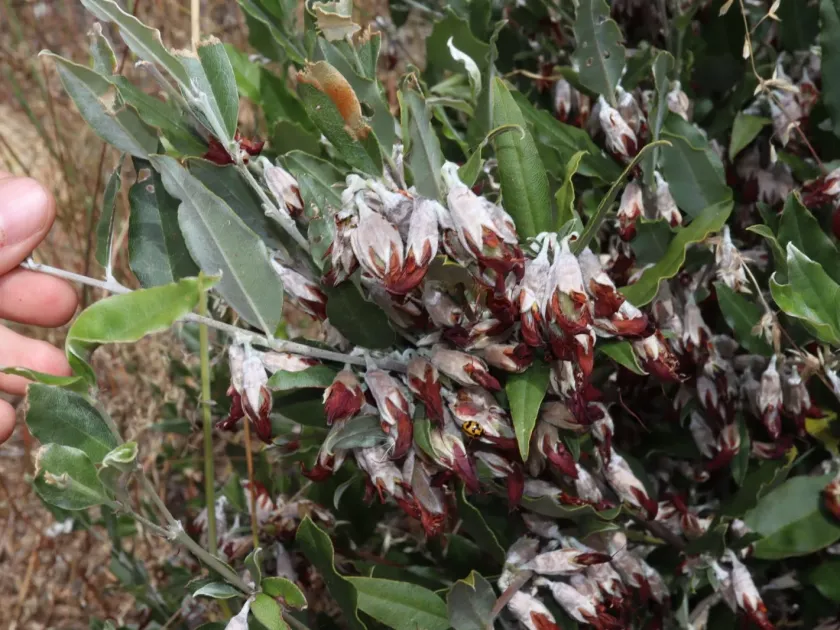
Description
Growing requirements
Gastrolobium celsianum is a perennial shrub belonging to the Fabaceae family. This species is endemic to southwestern Australia, evolved to thrive in diverse and challenging Mediterranean-like climatic conditions.
In agricultural and ornamental practice, the plant requires well-drained, sandy, or loamy soils. It has a low tolerance for waterlogged conditions, making proper soil structure and drainage systems essential for the longevity of the shrub.
Gastrolobium celsianum performs best in full sunlight exposure. It is highly adapted to arid environments but requires protection from severe frost, which can cause significant damage to the plant's delicate vascular system.
Agrotechnical management focuses on minimal irrigation once the plant is established. The soil acidity levels should be monitored to ensure it remains slightly acidic to neutral, which optimizes nutrient uptake in typical Australian legume species.
The primary use of this culture is in landscape design and xeriscaping. Due to its unique appearance and high drought resistance, it is valued in arid-climate horticulture for its structural foliage and vibrant flowering patterns.
Main diseases and pests
The primary threats to Gastrolobium celsianum are soil-borne pathogens, specifically root rot fungi. These thrive when the root zone remains persistently damp, often due to poor soil aeration or excessive watering regimes.
Pest pressures include infestations of aphids and spider mites, which typically affect young shoot growth. Regular scouting is recommended to manage populations before they cause significant stress to the host plant.
The species contains secondary metabolites, including fluoroacetate, which serve as a natural defense mechanism against many vertebrate and invertebrate herbivores. This biological trait necessitates careful handling during maintenance.
In greenhouse settings, mealybugs represent a significant pest concern. Preventive measures, such as maintaining appropriate humidity levels and ensuring good ventilation, are critical to avoiding widespread outbreaks.
Nutrient deficiency, specifically related to micronutrients, often manifests as leaf chlorosis. If left unmanaged, this condition can weaken the plant's overall physiology, leading to increased susceptibility to bacterial spot diseases.