
Gastrolobium calycinum
Gastrolobium calycinum
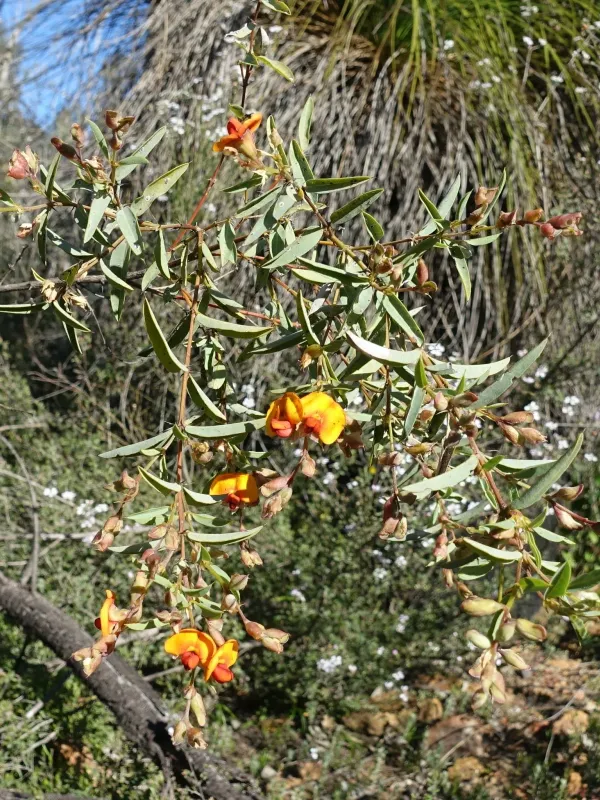
Description
Growing requirements
Gastrolobium calycinum is a perennial shrub belonging to the Fabaceae family, native to the southwestern region of Western Australia, known for its resilience.
The plant thrives in well-drained, sandy soils and is highly adapted to nutrient-poor environments, making it efficient at extracting resources from harsh landscapes.
Requirements for successful cultivation include full sun exposure and a dry climate, mimicking the Mediterranean-style weather patterns of its natural habitat.
Proper drainage is critical, as stagnant water in the root zone is the primary cause of decline and failure in cultivated specimens of this species.
Minimal fertilization is generally required, as excessive soil nutrients can often harm the plant rather than promote healthy vegetative growth.
Main diseases and pests
This species is notorious for containing sodium fluoroacetate, a highly potent toxin that acts as a natural defense mechanism against herbivores.
In an agricultural context, it is strictly managed as a noxious weed because its foliage poses a severe lethal threat to livestock, including sheep and cattle.
Common biological threats include various sap-sucking insects and leaf-eating beetles that can weaken individual plants during periods of environmental stress.
Fungal pathogens such as root rot and powdery mildew can occur if the plant is kept in humid, poorly ventilated conditions, leading to rapid deterioration.
Management strategies involve rigorous monitoring of grazing areas and ensuring cultural practices like proper pruning and soil aeration to prevent disease outbreaks.