
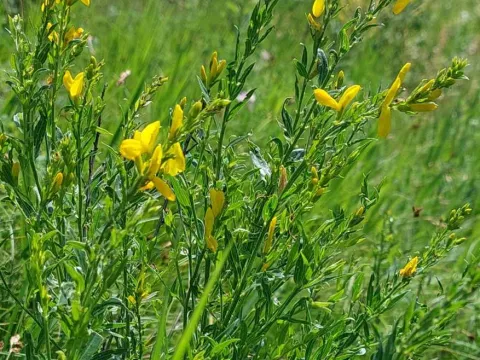
Genista
Genista L.
Genista L. is a genus of flowering shrubs and subshrubs belonging to the Fabaceae family. These plants are well-known for their vibrant yellow flowers that bloom profusely in late spring, creating a brilliant display in gardens and natural landscapes.
What the section contains


Genista
Native to Europe, the Mediterranean, and Western Asia, Genista species are naturally adapted to dry, stony environments. They are hardy plants that thrive in conditions where other shrubs might struggle, making them excellent candidates for low-maintenance landscapes.
The primary cultural requirement for Genista is full sun exposure. These plants require significant light to maintain their compact shape and achieve optimal flowering. Shaded locations will lead to weak growth and significantly reduced blossom production.
Soil drainage is critical for the success of this crop. Genista is highly susceptible to root rot if the soil remains waterlogged. Ideally, they should be planted in well-drained, sandy, or rocky soil that mimics their natural habitat conditions.
Genista plants are highly drought-tolerant once established. They do not require excessive fertilization; in fact, they prefer relatively infertile soils. Over-fertilization can result in lush foliage growth at the expense of floral development.
Powdery mildew is the most common fungal disease affecting Genista, particularly in regions with high humidity or poor airflow. It manifests as a dusty white layer on the leaf surfaces, which can reduce the plant's photosynthetic efficiency.
Aphids are the most frequent insect pests. These small insects cluster on tender new shoots and buds, feeding on sap and causing the growth to become distorted or stunted. Heavy infestations require chemical intervention.
Spider mites can also become a problem during periods of intense heat and low rainfall. They feed on the undersides of the leaves, causing stippling and eventual leaf drop, which weakens the shrub during the heat of the summer.
Integrated pest management strategies are recommended. This includes regular monitoring for pests during the early growing season and maintaining optimal plant spacing to promote airflow, which naturally discourages many fungal pathogens.
Sanitation is a vital aspect of pest and disease control. Pruning out dead or heavily infested branches helps to limit the spread of infections and promotes fresh, healthy regrowth in the following season.