
Genista aspalathoides
Genista aspalathoides
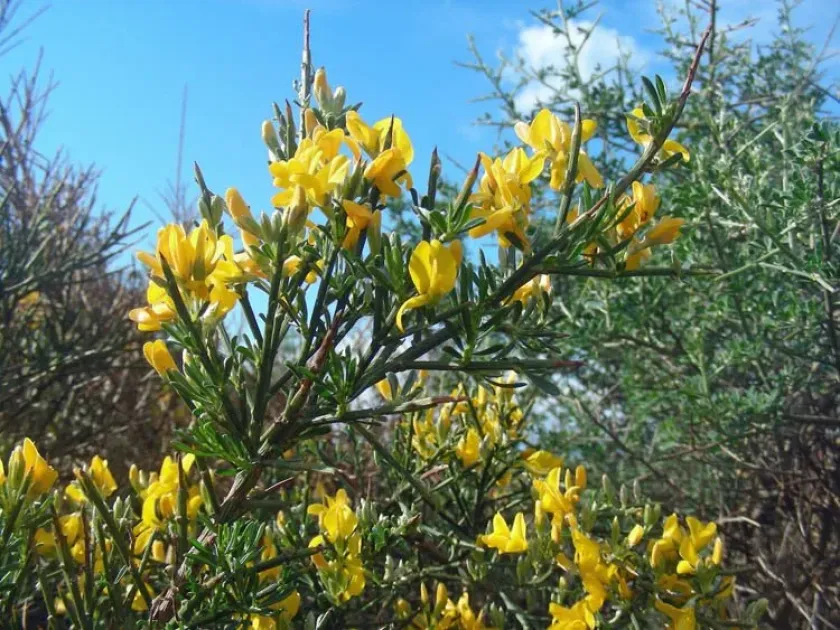
Description
Sowing dates
Genista aspalathoides is a resilient shrub belonging to the Fabaceae family, commonly found in regions characterized by Mediterranean-type climates.
Sowing should ideally occur in the early spring, ensuring that the seeds have been properly scarified to overcome dormancy caused by the hard seed coat.
Seeds are sown at a shallow depth of approximately 1 to 2 centimeters in well-draining soil to prevent the seeds from rotting before germination.
If utilizing containers, ensure that the substrate is composed of a mix of sand and peat to provide excellent drainage and adequate aeration for developing roots.
Transplanting into the permanent location should be timed to avoid frost, allowing the plant to establish its root system before the onset of extreme summer temperatures.
Growing requirements
This species is highly adapted to sunny and arid environments, making it an excellent candidate for xeriscaping and sustainable land management.
It thrives best in rocky or sandy soils that offer superior drainage, as the plant is intolerant of waterlogged conditions that can cause root decay.
As a nitrogen-fixing plant, it performs well in nutrient-poor soils where other conventional crops might struggle to survive without extensive fertilization.
Exposure to full sunlight is critical for the plant to maintain its compact growth form and to produce the characteristic vibrant yellow floral display.
Minimal maintenance is required once the plant is established, as it possesses high natural resistance to drought and environmental stressors common in its native range.
Yield
The primary utility of this plant lies in its ecological contribution, particularly its role in stabilizing slopes and preventing soil erosion in arid landscapes.
It serves as a valuable nectar source for pollinators, contributing to the health of the local ecosystem during the blooming season.
While not a staple food crop, its biomass can be utilized in specific agricultural programs aimed at rehabilitating degraded or barren land areas.
Seed production is consistent, providing a reliable resource for conservation projects involved in the restoration of dry-land habitats.
The dense, thorny structure of the shrub makes it a natural barrier, which can be strategically used in integrated farming to protect sensitive crop areas.
Main diseases and pests
While generally robust, Genista aspalathoides can be susceptible to powdery mildew in environments where high humidity and poor airflow occur.
Root rot is the most significant pathological threat, usually triggered by poor soil management or over-irrigation in stagnant water conditions.
Insect pests, such as aphids, can occasionally infest young shoots, which may require targeted management strategies if the infestation affects plant vigor.
Regular monitoring for symptoms of leaf yellowing or stunted growth is recommended to ensure that potential pest or disease issues are managed promptly.
Good cultural practices, such as maintaining proper plant spacing and ensuring access to airflow, are the best defenses against common plant threats.