
Genista ancistrocarpa
Genista ancistrocarpa
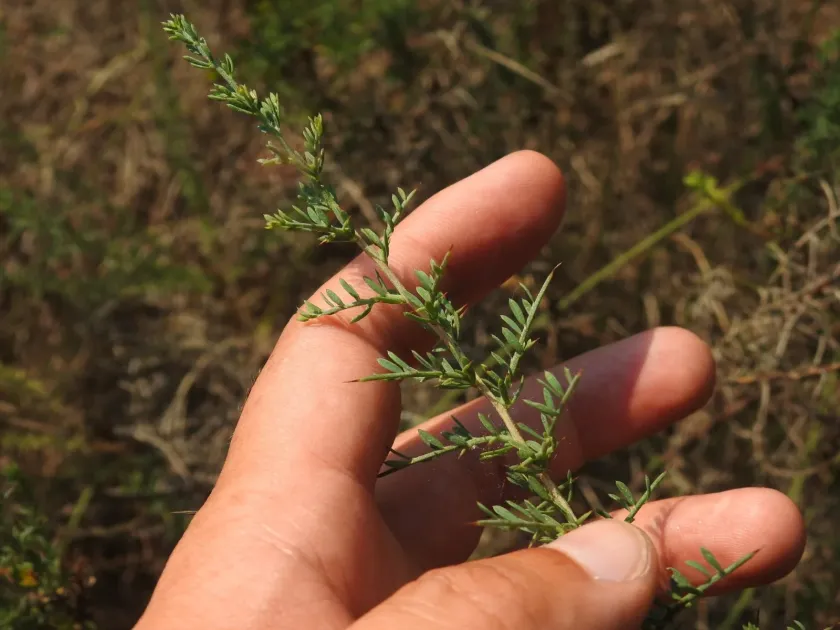
Description
Growing requirements
Genista ancistrocarpa is a perennial shrub species belonging to the Fabaceae family. As an agricultural and botanical object, it is valued for its hardiness and ability to thrive in poor, nutrient-deficient soils, contributing to soil stabilization.
The plant originates from the Southwestern regions of Europe, specifically the Iberian Peninsula. Its natural habitat is characterized by Mediterranean climate conditions, where it has evolved to withstand long, dry summers and mild winters.
Regarding soil requirements, this species favors well-drained, acidic to neutral sandy substrates. It is highly intolerant of waterlogged conditions, which makes site selection for cultivation a critical factor for success.
The crop requires full sun exposure to maintain its vigorous growth habit and profuse flowering. It is an excellent candidate for xeriscaping and reclamation of degraded lands due to its natural resilience and low irrigation needs.
Botanically, it is defined by its small, lanceolate leaves and brilliant yellow inflorescences. The specific epithet "ancistrocarpa" refers to its hooked fruit, which serves as a unique morphological identifier for this specific member of the broom group.
Main diseases and pests
The primary threats to Genista ancistrocarpa are fungal diseases linked to poor drainage and high humidity. Root rot is the most common issue, often resulting from excessive moisture trapped in the rhizosphere.
Insect pests such as aphids and certain species of weevils can cause significant stress to the plant during the vegetative phase. They typically feed on soft tissues and buds, requiring timely identification and intervention.
Powdery mildew may occur if the plants are placed in areas with insufficient air circulation. Thinning the canopy and ensuring adequate spacing between individual plants are essential cultural practices for preventing these infections.
Chlorosis is frequently observed when the soil pH deviates significantly from the preferred range. Monitoring the chemical profile of the soil is a standard agricultural procedure to prevent nutrient uptake issues.
Maintaining a healthy environment through proper irrigation management and periodic inspection ensures that Genista ancistrocarpa remains robust and resistant to most environmental and biotic stressors.