
Gastrolobium laytonii
Gastrolobium laytonii
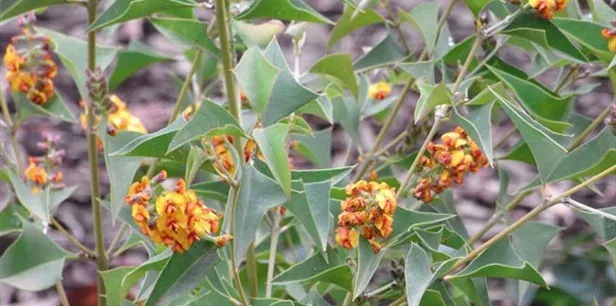
Description
Growing requirements
Gastrolobium laytonii is a distinct perennial shrub belonging to the Fabaceae family. Native to the arid and semi-arid regions of Western Australia, this species has developed remarkable physiological adaptations to thrive in nutrient-poor environments with irregular precipitation patterns.
Botanically, the plant is characterized by its stiff, evergreen leaves and typical papilionaceous flowers. The plant structure is adapted to retain moisture and survive extreme heat, making it an interesting subject for studies on xerophytic leguminous plants and their survival strategies.
For successful growth, the species requires highly permeable, well-drained soils. Loamy or sandy substrates are essential, as the root system is highly susceptible to hypoxia and rot if exposed to waterlogging for extended periods. It prefers high solar exposure and well-ventilated areas.
The climate requirements include a Mediterranean-like regime with distinct dry and wet seasons. While it exhibits great tolerance to drought, the seedlings require consistent monitoring for moisture levels to establish a robust root system before the onset of the peak dry season.
The primary use of this species is in ecological research and phytochemical studies. Due to the presence of monofluoroacetate, a potent toxin, it is not suitable for fodder or agricultural food production. Instead, it is valued for its role in maintaining local ecosystem stability and biodiversity.
Main diseases and pests
Root rot, specifically caused by Phytophthora species, remains the most significant threat to Gastrolobium laytonii populations. Proper drainage management is the most effective cultural practice to mitigate this risk, as wet feet lead to rapid decline in plant health.
Pest pressures are generally low due to the plant's inherent toxicity to most herbivores. However, specialized insects that have evolved resistance to plant toxins can pose a significant threat to foliage, requiring strategic integrated pest management (IPM) interventions.
Competitive weeds are a major challenge during the establishment phase. Invasive species that deplete soil nutrients and water faster than the young Gastrolobium shrubs can significantly stunt growth and survival rates if not managed effectively.
Nutrient toxicity or deficiency can occur if soil pH is not carefully maintained. The species prefers slightly acidic to neutral soils; significant deviations can trigger micronutrient imbalances, leading to chlorosis or systemic physiological stress.
Monitoring for signs of biotic or abiotic stress is crucial during the active growth period. Early detection of leaf discolouration or stem damage is necessary to preserve the plant's health, particularly in nurseries where density increases the risk of rapid disease spread.