
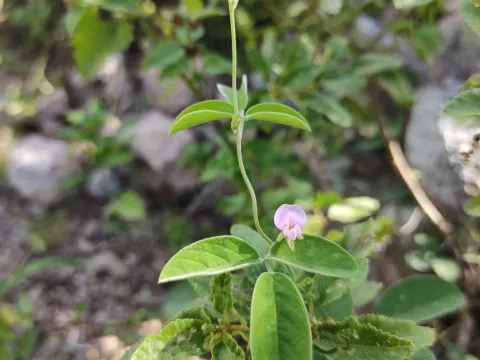
Galactia
Galactia
Galactia is a genus of flowering plants in the legume family, Fabaceae. These perennial herbs and subshrubs are increasingly recognized in agriculture for their potential as forage crops, capable of fixing atmospheric nitrogen and contributing to the sustainable improvement of soil fertility.
What the section contains


Galactia
Naturally occurring in tropical and subtropical regions of the Americas, Africa, and Asia, these plants are highly adaptable to various ecological niches. They thrive in well-drained sandy or loamy soils and are known for their remarkable resilience in drought-prone areas where other crops might fail.
The climatic requirements for Galactia center on high temperatures and full sunlight. Optimal growth occurs in warm climates, as the plants are frost-sensitive and require sustained heat to achieve peak biomass production. They are not suitable for cultivation in regions with cold or temperate climates featuring winter freezes.
Agronomic practices for Galactia involve careful site selection to avoid areas with poor drainage or stagnant water, which can lead to root rot. Preparing a clean seedbed is essential, as the young plants have a slow initial growth rate and are vulnerable to competition from aggressive weed species.
The primary agricultural use of Galactia is as high-quality forage for livestock. The foliage is nutrient-dense, providing a significant source of protein for grazing cattle and sheep. In many regions, it serves as a critical component in mixed pastures, balancing the nutritional profile of the grazing area.
Disease management in Galactia crops primarily involves mitigating fungal infections such as anthracnose and leaf spot. These pathogens are most prevalent under conditions of high humidity, poor air circulation, or when plants are stressed due to inadequate soil nutrient levels.
Insects pose another challenge to productivity, with various species of weevils and aphids causing damage to leaves, stems, and developing seeds. These pests can rapidly proliferate during the growing season, necessitating active monitoring and potentially localized intervention to prevent economic loss.
Integrated pest management (IPM) strategies are highly recommended for Galactia. This includes selecting certified seeds, implementing proper crop rotation, and maintaining healthy plant populations to discourage pest colonization and disease spread within the field.
Weed control remains a significant agronomic priority, especially during the establishment phase. Mechanical cultivation or the use of selective herbicides may be necessary to ensure that Galactia plants have sufficient space and light to establish their root systems without being overshadowed by invasive flora.
Regular field scouting is essential to ensure that any threat is identified early. By maintaining records of plant health and environmental factors, growers can better predict the onset of problems and apply precise, timely management strategies that protect both the yield and the long-term health of the soil.