
Gastrolobium villosum
Gastrolobium villosum
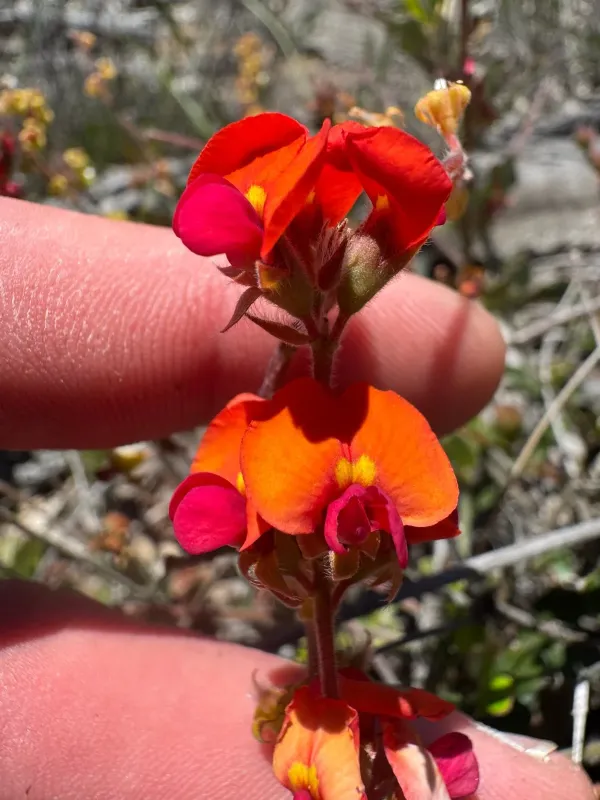
Description
Growing requirements
Gastrolobium villosum is a distinctive evergreen shrub belonging to the Fabaceae family. This species is native to Western Australia, where it has adapted to specific ecological niches characterized by low-nutrient soils.
The cultivation of this plant requires well-drained soil, as it is highly susceptible to root decay when exposed to excess moisture. It thrives in sandy or gravelly loam compositions that mimic its natural habitat.
Regarding climate, the plant prefers sunny environments with consistent access to light. It performs best in temperate conditions, avoiding extreme heat or waterlogged soil environments during the dormancy phase.
Nutritional needs are specific, as many Australian native plants in this genus are sensitive to high phosphorus levels. It is recommended to use fertilizers formulated specifically for native flora to prevent nutrient toxicity.
Adequate air circulation is essential for the plant's health, particularly when cultivated in confined spaces or greenhouses. Proper spacing between individual plants ensures healthy development and reduces humidity-related stress.
Main diseases and pests
Phytophthora root rot is the most significant pathological threat to Gastrolobium villosum. This fungus thrives in poorly drained, stagnant soil, making proper moisture management the primary preventive measure.
Pests such as spider mites and scale insects can cause severe damage by feeding on the sap of young stems and foliage. These infestations can weaken the plant and reduce its aesthetic appeal.
Larvae of certain lepidopterans may consume the leaf tissue, leading to stunted growth. Frequent monitoring allows for early detection and manual removal of pests before they cause extensive damage.
The use of overhead irrigation is discouraged, as it promotes high humidity around the foliage and increases the risk of fungal leaf spots. Drip irrigation or careful root-zone watering is preferred.
Sanitation practices, including the removal of dead leaves and pruning diseased branches, are vital to preventing the spread of infections within a plantation or garden setting.