
Heart-leaf poison
Gastrolobium bilobum
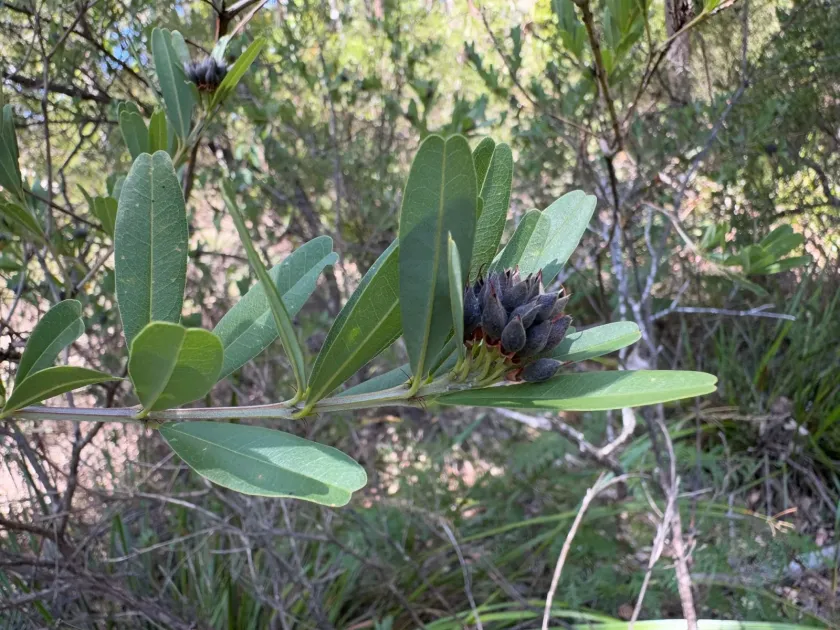
Description
Growing requirements
Gastrolobium bilobum, commonly known as heart-leaf poison, is an evergreen shrub in the Fabaceae family. It is endemic to the southwest region of Western Australia, thriving in varied woodland and shrubland environments.
The plant prefers well-drained, nutrient-poor sandy or gravelly soils. It is highly adapted to the harsh, nutrient-deficient conditions typical of its native Australian habitats, demonstrating remarkable resilience.
Botanically, it is characterized by its distinct, heart-shaped or bilobed leaves. The plant produces dense, attractive flower clusters, which are typical of its taxonomic family, often displaying shades of yellow or orange.
In terms of climate requirements, it favors a Mediterranean climate with dry summers and wet winters. It lacks tolerance for waterlogged soils, which can lead to fungal issues and rapid decline of the root system.
While some legume species are cultivated for nitrogen fixation or forage, Gastrolobium bilobum is strictly avoided in agricultural production due to its physiological composition.
Main diseases and pests
The primary concern regarding this species in agricultural practice is its extreme toxicity. The plant contains monofluoroacetate, a potent toxin that is fatal to most domestic livestock, including sheep and cattle.
Livestock that consume the foliage suffer from metabolic failure, often dying within hours of ingestion. There is no known treatment for this toxicity, making prevention the only management strategy.
Farmers operating in regions where the plant occurs must implement rigorous control measures. This includes identifying and removing the shrubs from grazing pastures to prevent accidental consumption.
The species is remarkably robust and does not face significant pressure from common agricultural pests or diseases, largely because its chemical defenses make it unpalatable to most herbivores.
Integrated vegetation management is required to suppress its growth in agricultural lands. Mechanical removal and targeted chemical applications remain the primary methods for containment.