
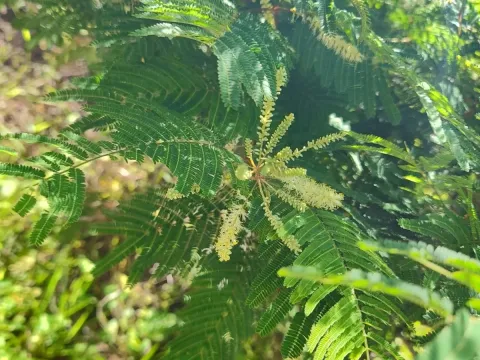
Gagnebina
Gagnebina
Gagnebina is a genus of woody plants belonging to the Fabaceae family, specifically within the Mimosoideae subfamily. It is a distinctive tropical crop native primarily to the island of Madagascar and adjacent areas of the Indian Ocean region.
What the section contains

Gagnebina
The plant thrives in tropical climates characterized by distinct wet and dry seasons. It requires high levels of solar radiation to maintain active physiological processes and support robust vegetative development throughout the year.
Soil requirements for optimal growth include well-drained, slightly acidic to neutral substrates. Poor drainage or waterlogged conditions are highly detrimental, as the root system of this genus is sensitive to anaerobic conditions in the rhizosphere.
In its native habitat, Gagnebina is often found in dry deciduous forests or along forest edges. Its adaptation to these environments demonstrates a high level of resilience to seasonal water scarcity, provided the soil structure remains favorable.
Agricultural and economic utility is primarily associated with the high-quality wood produced by the trees and the plant's capacity for biological nitrogen fixation. This nitrogen-fixing ability enhances soil fertility, offering potential for sustainable agroforestry systems in appropriate tropical regions.