
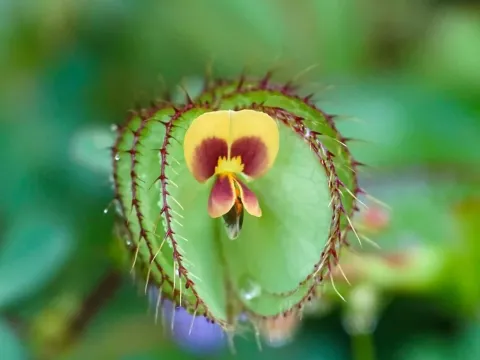
Geissaspis
Geissaspis
Geissaspis is a genus of plants belonging to the legume family (Fabaceae). While not as widely cultivated as other legumes, it holds potential as a forage crop or cover crop in specific tropical and subtropical environmental conditions.
What the section contains


Geissaspis
The plant is native to regions in Asia and Africa, where it thrives in moist habitats. It is adapted to tropical climates and requires warm temperatures and reliable rainfall to maintain steady growth throughout the season.
Botanically, Geissaspis is characterized by its distinct leafy structures and complex inflorescences. Like many legumes, it forms a symbiotic relationship with nitrogen-fixing bacteria, allowing it to improve soil fertility in nitrogen-poor environments.
Cultivation requirements center on well-drained but moist soils with a balanced nutrient profile. The plant prefers areas that avoid waterlogging while ensuring consistent soil moisture levels for root development.
In agricultural practice, the crop is utilized primarily for green manure or as a supplementary feed for livestock. Its high protein content makes it an interesting candidate for enhancing forage quality in integrated farming systems.
Fungal pathogens represent the most significant threat to Geissaspis, particularly in high-humidity climates. Diseases such as root rot can rapidly spread if the drainage of the field is insufficient or if humidity remains stagnant.
Insects, including various species of aphids and weevils, can cause substantial damage to both leaves and reproductive structures. These pests can reduce both the forage quality and the viability of the seeds produced by the plant.
Weed competition poses a substantial challenge, especially during the establishment phase of the crop. Because seedlings develop relatively slowly, field preparation and early-stage weeding are vital for success.
Protecting the crop requires a focus on preventive agronomic practices. Reducing leaf density through proper spacing can help minimize the impact of pests and diseases by improving air circulation around the plants.
The use of pesticides should be approached with caution due to the specific physiological response of the species. Monitoring for pest populations and employing targeted biological control measures is the recommended strategy for sustainable management.