
Gastrolobium parviflorum
Gastrolobium parviflorum
Description
Growing requirements
Gastrolobium parviflorum is a distinctive shrub belonging to the Fabaceae family, native to the diverse ecosystems of Western Australia. As a perennial plant, it has evolved to thrive in nutrient-poor soils and challenging environmental conditions.
This species requires exceptionally well-draining soil, typically preferring sandy or gravelly textures. Good aeration is essential, as the roots are highly susceptible to rot if submerged in standing water for prolonged periods.
Regarding climate, the plant exhibits high tolerance for dry heat and full sun exposure. It is well-adapted to Mediterranean-type climates, requiring distinct dry seasons to fully complete its reproductive growth cycles.
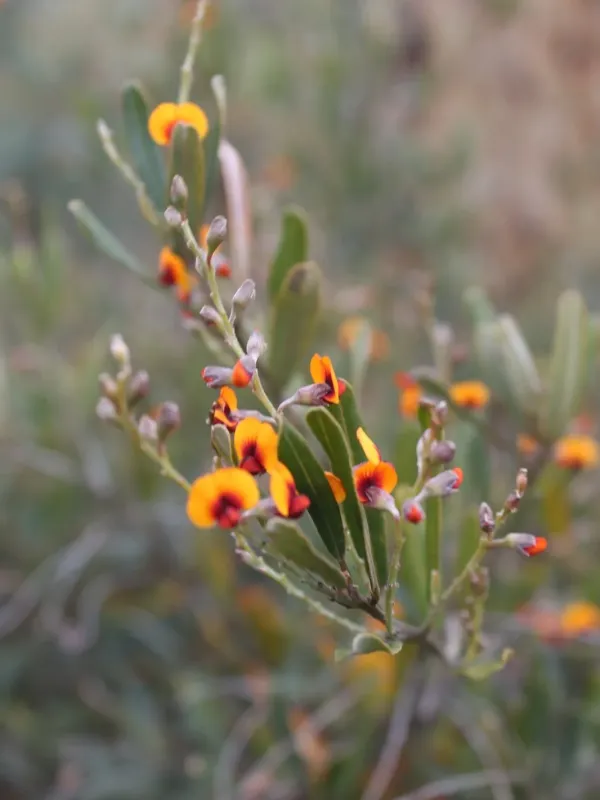
Botanically, Gastrolobium parviflorum features leathery leaves and small, characteristic papilionaceous flowers. The plant's structure is typically bushy and dense, providing excellent coverage in naturalized landscape settings.
While not a traditional forage crop, it plays a vital role in ecological restoration. However, it is important to note that many members of this genus contain fluoroacetate, which necessitates caution regarding potential exposure to livestock.
Main diseases and pests
The primary threat to Gastrolobium parviflorum is root rot caused by Phytophthora species, especially in environments where drainage is compromised. Managing soil moisture is the single most important factor for plant longevity.
Pest pressures are generally low, but aphids and various lepidopteran larvae may occasionally feed on new, tender growth. Integrated pest management strategies, focusing on biological controls, are recommended over heavy chemical use.
Fungal leaf spot diseases can occur during periods of high humidity and poor ventilation. Pruning to maintain an open canopy helps improve air circulation and significantly reduces the risk of fungal proliferation.
Environmental stress, particularly prolonged waterlogging or extreme shade, can weaken the plant, making it more vulnerable to secondary infections. Maintaining a healthy balance of soil nutrients helps support the plant’s natural defenses.
Regular field inspection is necessary to identify signs of stress early. By removing affected branches and ensuring optimal site selection, the risk of significant pest and disease outbreaks remains minimal.