
Silky poison pea
Gastrolobium sericeum
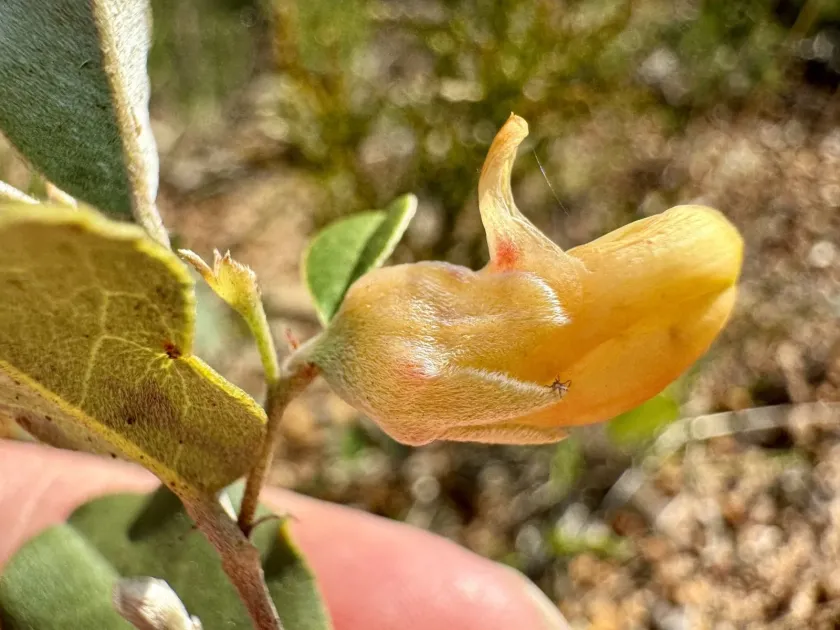
Description
Growing requirements
Gastrolobium sericeum, commonly known as silky poison pea, is a perennial shrub belonging to the Fabaceae family. Native to Western Australia, this plant is well-adapted to environments with nutrient-poor soils and seasonal moisture patterns.
The cultivation of this species requires excellent soil drainage. In an agricultural or horticultural setting, it is essential to use a mix that mimics the sandy, gravelly textures found in its natural habitat to prevent root rot issues.
The plant thrives under full sun exposure and requires a Mediterranean-like climate to prosper. Humidity control is vital, as excessive stagnant air or soil moisture can be detrimental to the health of the silky foliage.
Its botanical structure includes distinct, often silvery leaves that provide significant ornamental value. While it is primarily recognized for its native ecology, its use in specialized gardens requires careful attention to soil pH and drainage capacity.
Fertilization should be handled with caution. As an Australian native, the species is sensitive to high levels of phosphorus, which can be toxic to many plants in the Fabaceae family, therefore organic, low-phosphorus fertilizers are recommended.
Main diseases and pests
The most significant threat to Gastrolobium sericeum is the pathogen Phytophthora cinnamomi. This water mold organism causes severe root disease and is particularly prevalent in soils that remain damp for extended periods.
Scale insects and aphids represent common horticultural pests. These can usually be managed through regular monitoring and the use of insecticidal soaps if an infestation occurs in a nursery or controlled environment.
Natural chemical defenses are a hallmark of the Gastrolobium genus. These plants typically accumulate fluoroacetate, which serves as a potent deterrent against mammalian herbivores, reducing the risk of browse damage.
Environmental stress, particularly sudden changes in soil moisture, can weaken the plant and make it more susceptible to opportunistic fungal infections. Maintaining a stable environment is key to long-term survival.
To ensure healthy growth, gardeners must avoid heavy mulching against the base of the stem, as this can encourage fungal pathogens and prevent adequate aeration of the root crown.