
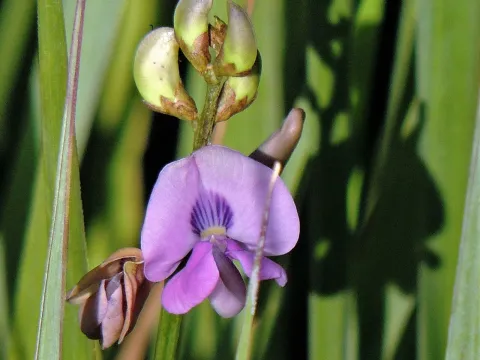
Dolichopsis
Dolichopsis
Dolichopsis belongs to the Fabaceae family and is characterized by a vining, herbaceous growth habit. Sowing this crop requires well-warmed soil, as the seeds are extremely sensitive to low temperatures and can be destroyed by even mild frosts.
What the section contains
Dolichopsis
The optimal time for planting begins when the average daily air temperature consistently remains above 15 degrees Celsius. It is crucial to maintain an appropriate sowing depth, typically ranging from 3 to 5 centimeters, depending on the soil texture and moisture levels.
Row planting is recommended to ensure adequate space for each plant, given the vigorous vegetative growth of Dolichopsis. In intensive farming systems, seed scarification is often practiced to improve germination rates and uniformity of emergence.
Plant density must be carefully managed to prevent competition for sunlight, which is critical for the proper development of pods. Overcrowding can lead to reduced yields and obstruct air circulation, increasing the risk of foliage diseases.
Pre-sowing soil preparation should include plowing and the application of phosphorus-potassium fertilizers. This creates a favorable water-air regime, which is essential for the rapid development of a robust root system during the early stages of vegetation.
This crop has moderate lighting requirements, preferring open areas that are protected from strong winds. Dolichopsis can tolerate short periods of drought; however, regular soil moisture is necessary to achieve a commercial-grade yield.
The best results are achieved on light, well-drained loamy or sandy soils with a neutral or slightly acidic pH. Waterlogging and high groundwater levels have a detrimental effect on the plant's root system, often leading to rot.
Normal development requires stable temperatures ranging from 20 to 28 degrees Celsius. If temperatures remain below 10 degrees for an extended period, the plant's growth essentially stops, significantly delaying the maturation of the pods.
A key aspect of cultivation is the presence of specific nitrogen-fixing bacteria in the soil. When introducing the crop to new fields, it is highly recommended to inoculate the seeds with appropriate rhizobia strains to ensure effective nodulation.
The plant responds well to micronutrient fertilizers containing molybdenum and boron, which support flowering and pod set. Organic fertilizers should ideally be applied to the preceding crop to avoid excessive nitrogen accumulation in the soil.
Potential yields of Dolichopsis are directly linked to the application of proper agronomic practices and soil fertility. Under optimal conditions, the plant is capable of producing significant biomass, which is highly valued as green forage for livestock.
Seed productivity is moderate but stable, provided there are no extreme weather events during the pod-filling phase. Proper resource allocation between stems and reproductive structures allows for high hectare yields.
To maximize productivity, regular inter-row cultivation is essential to suppress weed growth, which can severely compete with Dolichopsis in its early stages. Maintaining weed-free fields is a prerequisite for achieving the plant's genetic potential.
Pollination is a significant factor in yield; therefore, the presence of natural pollinators near the fields contributes to a higher number of well-filled seeds in the pods. In intensive setups, some farmers utilize beehives to ensure adequate pollination.
Yield metrics vary depending on the intended use, such as for seed production or green manure. When harvested early for hay, the crop can provide multiple cuts within a single growing season.
Like most legumes, Dolichopsis is susceptible to fungal diseases such as powdery mildew and anthracnose. High air humidity and poor air circulation within the canopy contribute to the development and spread of these infections.
Among pests, various aphid species and the bean weevil pose the greatest threat to the crop. Regular monitoring of plant health allows for the early detection of infestations and the timely application of biological or chemical control measures.
Crop rotation is crucial for preventing root rot; it is strongly advised not to plant Dolichopsis in fields where other legumes have recently been grown. Rotating crops helps break the lifecycle of soil-borne pathogens.
During prolonged rainy periods, bacterial blight may occur, manifesting as dark spots on leaves and stems. Affected plants show stunted growth and may drop foliage prematurely, which significantly reduces the overall productivity.
Utilizing resistant cultivars and maintaining spatial isolation from wild relatives of the legume family are effective strategies to minimize the need for heavy pesticide usage.
Harvesting is performed as the pods reach maturity, indicated by the pods losing their green color and taking on a characteristic shade. It is important to avoid over-ripening, as many legume species are prone to pod shattering and seed dispersal.
For forage purposes, the crop should be mowed during the peak flowering phase or the formation of the first pods, when the plant contains the highest concentration of nutrients. This ensures the production of high-quality hay that is highly palatable.
For seed production, a two-stage harvest is recommended: cutting the plants into windrows for drying, followed by threshing. This approach reduces harvest losses and ensures a cleaner, higher-quality seed harvest.
After collection, seeds must be cleaned and dried immediately to a moisture content of no more than 14%. Proper storage in dry, well-ventilated areas at stable temperatures is essential to maintain seed viability and prevent spoilage.
Crop residues remaining after harvest can be incorporated into the soil as green manure, which significantly improves soil structure and increases organic matter for future crops in the rotation.