
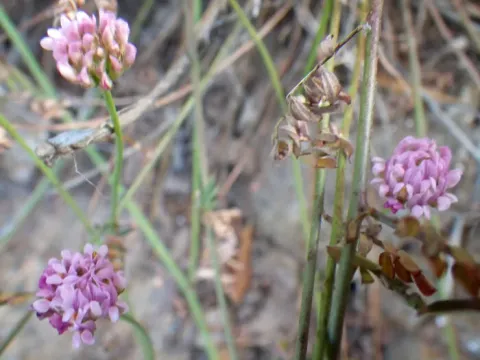
Dorycnopsis
Dorycnopsis
The sowing of Dorycnopsis should be executed during the early spring period when soil temperatures reach stable levels sufficient for germination. Proper moisture management is essential to ensure consistent emergence of the crop.
What the section contains

Dorycnopsis
Seedbed preparation requires careful attention to achieve a fine, firm tilth. This provides the necessary environment for small seeds to germinate without excessive depth, which is vital for successful stand establishment.
Seeding rates are determined by the purity of the seed batch and the expected seedling survival rate. It is advisable to use certified seeds to avoid contamination with weed seeds that could compete with the establishing crop.
Drilling the seeds at an appropriate depth, typically 2 to 3 centimeters, ensures that the seedlings have enough energy to emerge without stress. Mechanical depth control is highly recommended for uniformity.
Post-sowing compaction using a roller helps to improve soil-to-seed contact, which accelerates water uptake and facilitates faster, more uniform growth across the field.
Dorycnopsis is a member of the Fabaceae family, characterized by its ability to thrive in challenging environments. It is a perennial herbaceous plant known for its hardiness and ecological resilience.
The crop thrives in well-drained, calcareous soils with a neutral pH. It is particularly well-adapted to environments where other forage crops might struggle due to low nutrient availability or moisture stress.
High levels of solar radiation are required for optimal plant development. Shaded conditions lead to reduced vigor and decreased biomass production, which is a limiting factor in specific topographies.
With its deep taproot, Dorycnopsis is exceptionally drought-tolerant. This trait allows the plant to access moisture from deeper soil layers, making it a valuable asset for soil stabilization and improvement.
Optimal climatic conditions for this crop involve warm temperatures and low humidity, which minimize the prevalence of fungal pathogens that often attack legume species in temperate, wet climates.
Fungal diseases are the primary threat, particularly during periods of high humidity or poor soil drainage. Pathogens attacking the root system are especially detrimental to long-term crop survival.
Pest populations such as weevils and aphids can cause significant damage to early-stage growth. Controlling these populations at the onset is crucial for maintaining a healthy and productive stand.
Implementing a diverse crop rotation strategy is the most effective defense against soil-borne diseases. Avoiding frequent monoculture of legumes helps break the pathogen cycles that plague these fields.
Weed management in the early stages is vital, as slow initial growth of the plant can allow competitive weeds to suppress the development of Dorycnopsis.
Integrated pest management (IPM) practices, including the use of beneficial insects and resistant varieties, provide a sustainable approach to maintaining crop health and yield stability.