
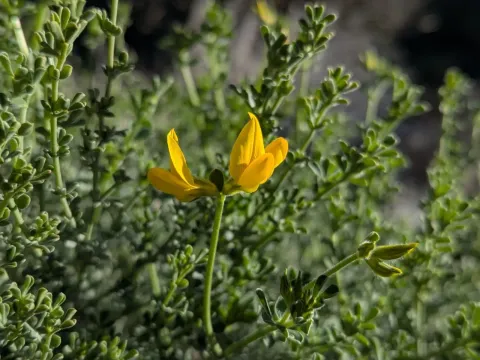
Dorycnium
Dorycnium
Sowing Dorycnium is best performed in early spring as soon as soil temperatures reach 8–10 degrees Celsius, allowing the seeds to utilize soil moisture effectively.
What the section contains


Dorycnium
The seeding depth should be shallow, between 1 to 2 centimeters, as the small seeds require close contact with firm soil to ensure uniform germination rates.
Seeding rates typically range from 8 to 12 kilograms per hectare, depending on the sowing method and the soil structure, and firming the ground after sowing is recommended.
Since the plants develop a deep root system during the first year, their top growth remains slow; therefore, weed control is essential during this establishment phase.
Inoculating the seeds with specific nitrogen-fixing bacteria is highly beneficial, as it promotes early establishment and enhances the crop's natural fertilizing abilities.
Dorycnium is a xerophytic plant that thrives in poor, rocky, or sandy soils where other forage crops struggle to establish or maintain their productivity.
The plant requires full sun exposure to flourish; it does not perform well in shaded areas, which can lead to stunted growth and reduced biomass yield.
It prefers neutral to alkaline soil conditions and is remarkably tolerant to lime-rich environments, often colonizing eroded slopes and degraded landscapes.
Its high cold hardiness makes it an excellent choice for regions with harsh winters and fluctuating temperatures, as it can survive where other legumes fail.
Once established, the crop is highly drought-tolerant due to its extensive root system, which allows it to tap into moisture deep within the soil profile.
Yields of Dorycnium are generally consistent over many years, making it a reliable perennial component of permanent pastures or low-maintenance forage systems.
While the overall biomass may be lower than intensive grasses, the quality of the forage, characterized by high protein content, remains stable even in dry years.
The plant shows excellent regrowth capacity after grazing or mowing, providing additional green matter during the late summer when other species become dormant.
As a legume, it contributes significantly to the quality of mixed hay, providing necessary nutrients and minerals that improve the overall diet of livestock.
Productivity peaks around the third year, once the plant has fully developed its structural integrity and successfully established a symbiotic relationship with soil bacteria.
Dorycnium is generally resistant to most common agricultural diseases, although high humidity can occasionally promote fungal growth on leaves or roots.
Certain insects, particularly weevils, can cause damage to the growing tips or foliage during the spring growth phase, requiring monitoring and prompt intervention.
The most significant threat is competition from fast-growing weeds during the first year, which can suppress the growth of young Dorycnium seedlings.
Maintaining proper spacing and ensuring adequate soil drainage can help mitigate the risks of fungal pathogens that thrive in dense, wet vegetation.
Field scouting should be a standard practice in the spring, focusing on detecting early signs of pest activity to prevent significant damage to the crop.
Mowing for hay should be timed for the early flowering stage to ensure the highest protein content before the stems become too lignified and fibrous.
Delaying harvest too long will result in tougher stalks, which are less palatable to livestock and have lower overall nutritional value for the animals.
Seed harvesting is carried out via direct combining when the seed pods have turned brown and the seeds have reached a hardened, mature state.
Careful drying of the harvested hay is necessary to preserve the leaves, which are the most nutrient-dense part of the plant, rich in vitamins and proteins.
Leaving the post-harvest stubble on the field helps to reduce soil erosion and adds organic matter to the soil, improving its overall structure over time.