
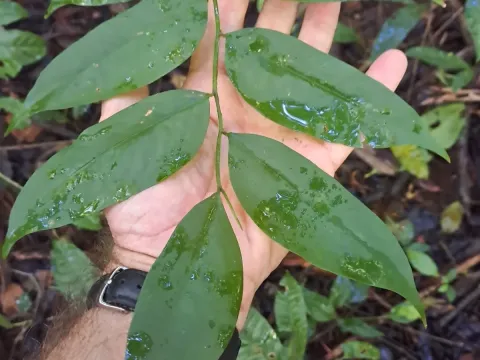
Dipteryx oleifera
Dipteryx oleifera
Dipteryx oleifera is a large tropical tree species classified within the Fabaceae family. It is native to the rainforests of Central and South America, where it thrives in high-rainfall environments with consistent tropical temperatures.
What the section contains
Dipteryx oleifera
The cultivation of this crop requires a stable climate without frost or extreme drought periods. It is highly dependent on humidity levels, which makes it suitable only for specific tropical regions where these conditions persist throughout the year.
Regarding soil requirements, the tree performs best in deep, fertile, and well-drained soils. Proper soil aeration is crucial for the root development, as the species is susceptible to root rot if waterlogging occurs.
As a light-demanding species, spacing in plantations is critical to ensure that each tree receives adequate sunlight for photosynthesis and fruit production. Proper canopy management is essential to prevent overcrowding and promote healthy growth.
The economic value of this tree primarily lies in its seeds, which are rich in high-quality oil. This oil is processed for various applications, including industrial manufacturing, skincare products, and emerging biofuel markets.
Harvesting Dipteryx oleifera typically involves gathering mature, fallen fruit from the forest or plantation floor. Manual harvesting is the standard practice due to the tree's stature, which limits the use of heavy machinery.
Timely collection is vital to ensure seed quality and prevent degradation caused by high humidity or fungal activity on the damp ground. Regular monitoring during the peak ripening season is required to maintain high yield efficiency.
Once collected, the fruits are depulped to extract the seeds. The drying process must be handled carefully to achieve optimal moisture content, ensuring stability for long-term storage or immediate processing for oil extraction.
Storage facilities for the harvested seeds should provide good ventilation and protection from moisture to preserve the lipid composition. Any damage to the seed coat during processing can lead to rancidity of the extracted oil.
Industrial extraction of the oil utilizes mechanical pressing methods. The remaining seed cake is frequently used as a nutrient-rich organic amendment to support the continued growth of the plantation.