
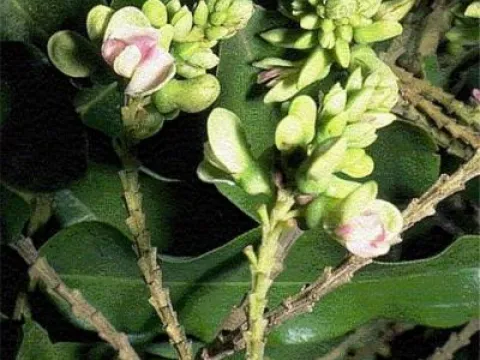
Dipteryx punctata
Dipteryx punctata
Dipteryx punctata is a large tropical tree belonging to the Fabaceae family. It is native to the South American rainforests, where it thrives as a dominant species in the upper canopy, requiring a humid environment and high annual precipitation to reach its full potential.
What the section contains
Dipteryx punctata
The climate requirements are strictly tropical, necessitating consistent temperatures and protection from cold weather. Any exposure to frost or prolonged dry spells can be detrimental to the growth, health, and overall survival of the tree.
Regarding soil preferences, this species requires deep, fertile, and well-drained substrates. High levels of organic matter are essential, and like many other legumes, the plant benefits from symbiotic relationships with specific nitrogen-fixing bacteria in the soil.
Agronomic management involves careful selection of planting sites with sufficient space for root and canopy development. Due to the tree's size, standard density planting is generally not feasible, and agroforestry models are usually preferred over monoculture plantations.
The economic value of the species is primarily derived from its high-quality timber and aromatic seeds. These seeds are harvested for their coumarin content, which is used globally in fragrance formulation, food flavorings, and the chemical industry.
The most significant threats to Dipteryx punctata are soil-borne fungal pathogens that thrive in poorly drained environments. These diseases can lead to root decay and the eventual death of younger trees if irrigation or natural drainage is not managed correctly.
Pests such as specialized borers and seed-consuming insects represent a persistent challenge for commercial cultivation. Without integrated pest management, these organisms can destroy a substantial percentage of the reproductive output of the trees.
Epiphytic plants and climbing vines often pose a threat by restricting light and putting excessive physical weight on the branches of mature trees. Regular maintenance schedules are required to keep the crown free of parasitic vegetation.
Mechanical damage to the bark, whether from environmental factors or manual harvesting errors, creates entry points for various stem rot pathogens. Keeping the tree structure intact is vital to prevent long-term health issues and internal decay.
Climatic instability, including severe tropical storms, can cause structural damage due to the tree's large canopy. Mitigation involves planting in protected zones and maintaining a healthy root system to ensure structural stability.