
Distemonanthus
Distemonanthus
Distemonanthus is a genus of tropical trees belonging to the Fabaceae family, subfamily Caesalpinioideae. The primary species of economic importance is Distemonanthus benthamianus, widely recognized in the global timber market as "ayan".
What the section contains

Distemonanthus
This species is native to the humid tropical forests of West and Central Africa. It thrives in deep, fertile soils that offer excellent drainage, which is characteristic of the equatorial regions where annual rainfall is abundant.
In its natural habitat, the tree grows to impressive heights of 30 to 40 meters. The straight, cylindrical trunk and large diameter make it a significant resource for the timber industry, providing high-quality wood for various applications.
The cultivation of this species requires consistently high temperatures and a stable tropical climate. While not a conventional agricultural crop, it is managed in agroforestry and silvicultural settings to ensure sustainable growth cycles.
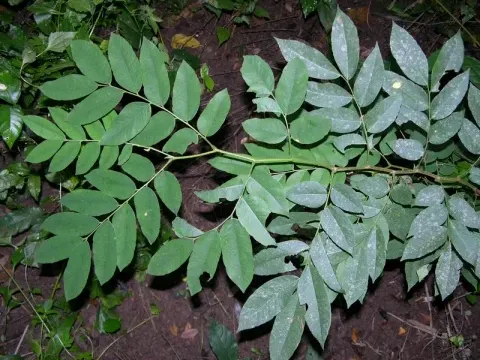
Botanically, it features pinnately compound leaves and small flowers arranged in clusters. Propagation is typically achieved through seeds, which require specific pretreatment protocols to ensure uniform germination in nursery conditions.
The primary economic utility of Distemonanthus lies in its valuable timber. The wood is characterized by a distinctive yellow-brown color, fine texture, and excellent mechanical properties, making it highly sought after for cabinetmaking.
Harvesting operations are strictly regulated within the countries of origin, such as Nigeria, Cameroon, and Gabon. Selective logging practices are employed to ensure that the forest canopy remains intact while harvesting mature trees.
Post-harvest, the timber is dried to reduce moisture content and improve dimensional stability. It is particularly valued for its ease of working with machine tools, finishing capabilities, and potential for high-quality decorative veneer.
Local communities often utilize bark and root extracts for traditional purposes, adding to the cultural significance of the tree. Efforts are underway to improve planting techniques to balance commercial demand with conservation.
As the tree takes decades to reach a marketable size, the harvest cycle is integrated into long-term forest management plans that emphasize reforestation and the preservation of biological diversity in tropical zones.