
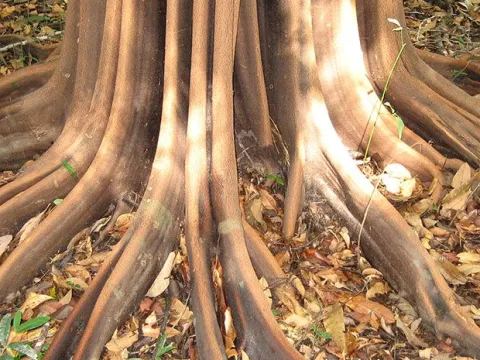
Dipteryx magnifica
Dipteryx magnifica
Dipteryx magnifica is a tropical tree species belonging to the Fabaceae family. Closely related to the well-known Cumaru tree, it possesses distinct botanical characteristics that make it highly adaptable to specific tropical forest environments.
What the section contains
Dipteryx magnifica
The species is native to the river basins of South America, thriving in humid tropical conditions. It requires consistently high temperatures throughout the year and is highly sensitive to frost, necessitating cultivation strictly within the tropical belt.
Optimal growth requires deep, fertile soils with excellent drainage properties. Waterlogging is detrimental to this species, as it significantly increases the risk of root-zone fungal pathogens that can destroy young plantations.
Regarding light requirements, the species shows a transition from shade tolerance in the juvenile stage to high demand for direct sunlight as the tree matures. Achieving the correct light balance is critical for long-term canopy development.
High humidity and consistent rainfall are essential for biomass accumulation. In plantation settings, soil management practices are necessary to ensure the tree maintains a steady growth rate during the intense tropical wet and dry seasons.
The primary commercial use of Dipteryx magnifica is the harvesting of its high-quality timber. The wood is renowned for its exceptional density, hardness, and natural resistance to decay, making it a valuable resource for high-end construction and furniture production.
Beyond timber, the fruits of the tree are harvested for their seeds, which are rich in aromatic compounds. These oils are utilized in the perfume and food industries, adding natural flavor profiles that are highly sought after by specialty manufacturers.
Economic returns from this crop are long-term, given the slow maturation of the species. Proper plantation management requires decades of planning to reach optimal harvest cycles while maintaining sustainable forest practices.
Fruit harvesting techniques are designed to protect the tree from mechanical injury. This approach ensures the longevity of the plant and maintains the chemical purity of the seeds used in commercial extract production.
Integration of this species into agroforestry systems allows for high-value output while preserving local ecosystem functions. This dual-purpose strategy supports both environmental stability and sustainable agricultural revenue.
Young seedlings are particularly vulnerable to leaf-eating insects common in tropical regions. Effective management of these pests during the early years is crucial to ensure the survival and structural development of the plantation.
Fungal diseases affecting the roots and bark represent a significant risk, especially if the plantation area lacks adequate drainage. Preventing moisture buildup is the most effective preventative measure against these harmful pathogens.
Wood-boring beetles can cause severe damage to the trunks of mature trees, reducing the economic value of the timber. Regular health monitoring and the removal of compromised branches are standard procedures in well-managed groves.
Weed competition can significantly inhibit the growth of young trees by consuming available soil nutrients. Maintaining clear zones around the tree base is necessary until the tree develops a sufficiently thick canopy to shade out competitors.
- Routine trunk inspections for borer damage.
- Implementation of efficient drainage management.
- Application of non-chemical deterrents for foliar pests.