
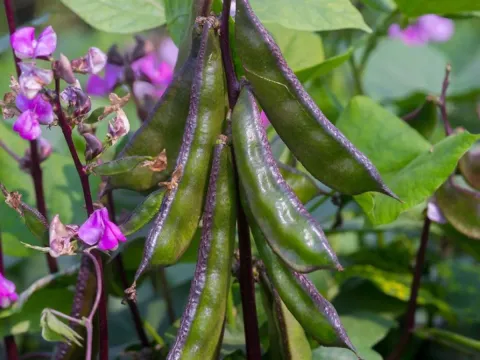
Dolichos
Dolichos
Dolichos is a warm-season crop, so planting should only begin once the risk of frost has passed and the soil temperature has consistently reached 15-18°C.
What the section contains


Dolichos
In temperate climates, the ideal time for sowing is typically late May or early June. Seeds are placed at a depth of 3–5 cm with a spacing of 20–30 cm between plants.
Soaking the seeds in warm water for 24 hours prior to planting is highly recommended to improve germination rates and ensure a more uniform stand.
It is essential to plant in well-warmed soil, as early planting in cold or damp conditions often leads to seed rot and poor establishment of the crop.
Ensure that the chosen site provides protection from cold winds, as young seedlings are sensitive to sudden drops in temperature during the early growth phase.
Dolichos belongs to the Fabaceae family and thrives in fertile, well-drained soils with a pH ranging from neutral to slightly acidic.
This crop requires full sun exposure to flourish; shaded areas result in leggy plants and significantly reduced flowering and pod production.
As a vigorous climbing plant, Dolichos necessitates sturdy supports such as trellises or netting to grow vertically, which improves airflow and prevents soil-borne diseases.
While the plant shows some tolerance to temporary drought, regular irrigation is crucial during the flowering and pod-filling stages to maximize yield.
Balanced fertilization is beneficial, though excessive nitrogen should be avoided to prevent a state where the plant prioritizes vegetative growth over reproductive development.
The yield of Dolichos varies based on local conditions and management practices, but it is known for producing significant biomass for fodder or cover crop purposes.
When cultivated for grain, proper management of soil nutrients and effective weed control during the establishment phase are essential for a bountiful harvest.
The growing season typically spans 90 to 120 days, depending on the variety and local climatic conditions, requiring consistent care throughout this period.
Applying phosphorus and potassium fertilizers can significantly enhance pod set and seed development, contributing to higher overall productivity of the crop.
Strategic planting densities and timely irrigation are the most critical factors in maintaining high yields and ensuring the quality of the harvested produce.
Like many legumes, Dolichos is susceptible to fungal diseases such as powdery mildew and anthracnose, especially in environments with high humidity and poor ventilation.
Common pests include aphids and spider mites, which can damage leaves and terminal shoots; thus, regular monitoring of the crop is advised.
Crop rotation is a fundamental preventive measure, as it disrupts the life cycle of soil-borne pathogens and helps maintain overall field health.
Biological control methods and safe insecticides are effective in managing pest populations without negatively impacting the environment or crop safety.
Proper vertical training of the vines increases airflow within the canopy, which effectively reduces the risk of fungal infections in the lower parts of the plant.
Harvesting for seeds should occur when the pods are fully dry and exhibit the characteristic color change indicative of physiological maturity.
For fodder or green manure applications, the plants should be harvested before the stems become overly lignified to ensure high nutritional value for livestock or soil enrichment.
Harvested seeds must be dried thoroughly in a well-ventilated area to prevent mold growth during storage, ensuring longevity and viability.
Because Dolichos fixes nitrogen in the soil through root nodules, post-harvest crop residues should be incorporated into the soil to improve future soil fertility.
Careful harvesting techniques help maintain seed integrity, which is vital for long-term storage and maintaining quality for either human consumption or replanting.