
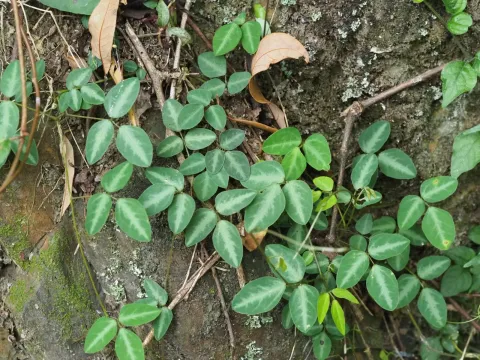
Dumasia
Dumasia
Dumasia belongs to heat-loving crops, so the sowing period falls on the time when the soil warms up above 15 degrees Celsius. Late spring is the optimal time to eliminate the risk of frost damage to young seedlings.
What the section contains


Dumasia
Seeds are sown using row methods with spacing sufficient for the free development of climbing shoots. It is important to consider the seed planting depth, which ranges from 3 to 5 centimeters depending on the type and moisture of the soil.
Before sowing, it is recommended to perform seed scarification to improve germination rates. This promotes faster sprouting and uniform appearance of seedlings in the field.
Seeding density should be strictly regulated, as excessive thickening leads to a decrease in light intensity and the development of fungal diseases. The standard seed rate per hectare is calculated to achieve a density of 200,000 to 300,000 plants.
To achieve maximum efficiency, dumasia crops are often combined with supporting crops or specialized trellises. This allows the plant, which has a climbing stem, to make better use of space and solar energy.
The crop is a member of the Fabaceae family and prefers fertile, well-drained soils with a neutral or slightly acidic pH. Waterlogging is detrimental to dumasia, so areas with high groundwater levels are not suitable for its cultivation.
Dumasia develops well in mild, warm climates with moderate rainfall during the growing season. It has some resistance to short periods of drought but requires stable moisture for high yields.
The plant is light-loving, so placement in open, non-shaded areas is a mandatory condition for full growth and fruit ripening. In the shade, the shoots become leggy, and the productivity of the crop drops sharply.
Special attention is paid to soil preparation, which should be loose and free of weeds, especially during the early growth period. It is recommended to apply phosphorus-potassium fertilizers to stimulate root system and reproductive organ formation.
In regions with distinct seasonality, dumasia shows the best results under long daylight hours. Agronomic maintenance includes regular cultivation between rows to prevent soil crusting and ensure root aeration.
The main threats to dumasia crops are associated with fungal diseases, such as powdery mildew and various types of leaf spots, which develop under high humidity and poor ventilation of the crops.
Pests, such as spider mites and leaf-eating insects, can significantly reduce the vegetative mass of the plant. Integrated pest management methods, including biological preparations, are used to control pest populations.
Root rots pose a danger in heavy and waterlogged soils, which requires strict adherence to crop rotation. It is not recommended to return the crop to the same field earlier than in 3-4 years.
Weeds pose stiff competition to dumasia in the early stages, making weed control critically important. Chemical weeding should be done with caution to avoid damaging sensitive legume shoots.
Prevention of viral infections involves using high-quality seeds and maintaining spatial isolation from other legume crops that may serve as reservoirs for the infection.