
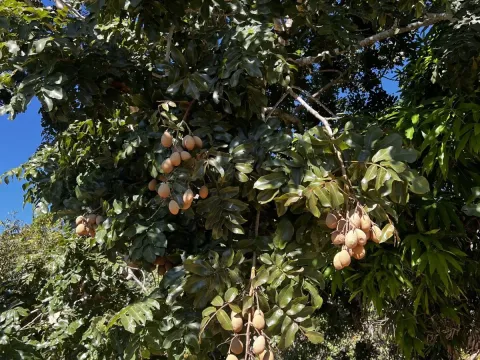
Dipteryx
Dipteryx
Dipteryx, most commonly represented by Dipteryx odorata, is a tropical tree belonging to the Fabaceae family. Propagation is primarily carried out via seeds in controlled nursery environments to ensure high germination rates and protection of seedlings.
What the section contains

Dipteryx
Sowing should ideally coincide with the onset of the rainy season to provide the necessary hydration for early plant development. Using a nutrient-rich, organic-based substrate is essential for stimulating strong taproot formation during the initial months.
Because the plant grows slowly in its early stages, it requires shading from intense direct sunlight. Nursery workers must provide artificial cover to minimize heat stress and promote healthy, steady growth until the trees are hardy enough for transplantation.
Transplanting occurs once the saplings reach a height of 40 to 60 centimeters. Proper spacing between trees is critical to ensure that the canopy of the mature tree has enough space for ventilation, which is vital for long-term health.
Pre-treatment of seeds, such as scarification or light soaking, is often recommended to overcome the thick seed coat. This preparation helps to achieve uniform emergence and reduces the window of vulnerability to soil-borne pathogens.
Dipteryx is a strictly tropical crop that requires consistently high temperatures throughout the year. The ideal temperature range for active growth is between 25 and 30 degrees Celsius, with minimal tolerance for significant diurnal or seasonal shifts.
The crop demands well-drained, fertile soil, ideally with a slightly acidic to neutral pH. High organic matter content is preferred to support the nutritional needs of the tree as it matures into its productive phase.
Tropical climates with high humidity are essential for optimal growth. Exposure to frost or even prolonged periods of cold weather will lead to severe physiological damage and likely mortality of the Dipteryx tree.
Regular, controlled irrigation is necessary in regions where rainfall is erratic. While the tree requires consistent moisture, stagnant water in the root zone is extremely detrimental and often causes root rot, necessitating good site drainage.
Full to partial sunlight is required for the plant to thrive. Although mature trees may tolerate some shade, maximum exposure to light is correlated with higher fruit production, making canopy management an important task for the farmer.
The primary economic product of Dipteryx is the seed, commercially recognized as the Tonka bean. The plant’s yield is harvested from the fruits, which are stone-like in structure and contain the fragrant, aromatic seeds.
The transition to active commercial yield is characterized by a long juvenile phase, typically requiring 7 to 10 years before the first significant harvest. Once established, productive trees can yield fruit for several decades.
Yield capacity varies based on tree health and local precipitation patterns. An average mature tree can produce several kilograms of seeds annually, though this figure fluctuates depending on flower pollination success and fruit set.
Harvesting is labor-intensive and performed manually, as workers must wait for the fruits to reach full physiological maturity and drop from the tree naturally. This process ensures the highest quality and concentration of coumarin.
Post-harvest processing is highly technical, involving fermentation and drying phases. This transformation is necessary to develop the iconic sweet, vanilla-like aroma that defines the market value of the product.
The most significant threats to Dipteryx plantations are fungal diseases exacerbated by high-humidity environments. Root and trunk rots are the most dangerous, often destroying the internal vascular structure before external signs appear.
Common pests include scale insects and various leaf-eating caterpillars that thrive in tropical climates. If uncontrolled, these pests can severely reduce the photosynthetic capacity of the tree, leading to stunted development.
Preventative measures, such as pruning for air circulation, are vital to mitigate the risk of fungal outbreaks. Maintaining clear sanitation within the orchard prevents the accumulation of decaying matter where pathogens breed.
Integrated Pest Management (IPM) is strongly recommended to protect the ecosystem. Using biological control agents is often more effective and sustainable than blanket chemical spraying in these fragile tropical settings.
Regular monitoring of the orchard is necessary for early detection of issues. A proactive approach to plant health, focusing on optimal nutrition and drainage, is the best defense against major outbreaks of pests or diseases.
Harvesting Tonka beans requires daily inspections of the plantation floor during the ripening season. The fruits are collected as they fall, ensuring they are gathered before environmental factors compromise their quality.
Once gathered, the external fleshy pulp is removed to expose the hard shell of the stone. Workers must carefully extract the seeds, ensuring they remain intact, as damage during this stage can invite microbial spoilage.
Drying is performed in shaded, well-ventilated areas to prevent excessive heat from causing the loss of essential aromatic compounds. Uniform drying is essential to reach the desired moisture content for safe long-term storage.
The final step in preparation involves curing the seeds, often through alcohol-based treatment, to stimulate the crystallization of coumarin on the surface. This iconic appearance and aroma are the hallmarks of a premium product.
Storage of the processed beans must be in airtight, moisture-proof containers. Because of their intense and distinct scent, they should be stored separately from other products to avoid cross-contamination of odors.