
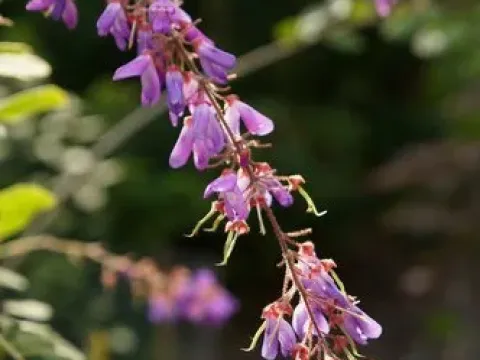
Linden-leaved tick-trefoil
Desmodium tiliifolium
Linden-leaved tick-trefoil (Desmodium tiliifolium) is a perennial shrub species belonging to the Fabaceae family. Native to the mountainous regions of the Himalayas and parts of East Asia, this plant has adapted to diverse ecological niches characterized by moderate moisture and temperate climate.
What the section contains
Linden-leaved tick-trefoil
The plant thrives in well-drained soils and demonstrates a high degree of tolerance to various soil compositions, provided that the substrate is not waterlogged. It performs exceptionally well in regions with consistent rainfall, which supports its vigorous vegetative growth throughout the season.
In terms of agronomy, the crop requires careful management of sunlight exposure. While it is tolerant to semi-shaded environments, maximum biomass production is achieved in areas with direct access to sunlight during the primary growth phases of the year.
Cultural practices include regular pruning to maintain the shrub's vigor and encourage the development of new, nutrient-rich lateral shoots. Such practices are essential when the plant is cultivated specifically for forage production or biomass harvesting.
Economically, this species is highly valued for its role in sustainable agriculture. Beyond its use as animal feed, it serves as an excellent ground cover crop, which is particularly effective in controlling soil erosion on steep agricultural land.
Root rot represents a significant physiological threat to linden-leaved tick-trefoil, especially in poorly drained soils where water stagnation occurs. Maintaining proper soil aeration is critical to preventing the onset and spread of these fungal pathogens.
Leaf-eating insects and various caterpillars can cause localized damage to the foliage, reducing the overall photosynthetic capacity of the plant. Monitoring and early detection are crucial for maintaining the health of the stands during the peak growing season.
Powdery mildew is a common concern during periods of high humidity and restricted air movement. Proper plant spacing and field ventilation significantly reduce the incidence and severity of this fungal issue.
Spider mites may pose a risk during prolonged hot and dry spells, particularly in semi-arid cultivation zones. Timely irrigation or the use of biological control agents are effective strategies for managing these pest populations.
Integrated pest management, including the removal of crop debris and rotation planning, is essential to minimize the accumulation of pathogens and pests within the cultivation area, ensuring long-term crop productivity.