
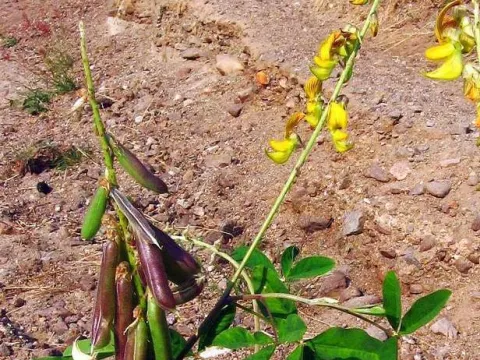
Longbeak rattlebox
Crotalaria longirostrata
Crotalaria longirostrata, commonly known as longbeak rattlebox, is an annual legume plant that is gaining attention in modern sustainable agriculture.
What the section contains
Longbeak rattlebox
Sowing should be carried out in well-warmed soil once the frost risk has passed, typically in late spring, ensuring favorable germination temperatures.
The seeds have a hard seed coat, making scarification or soaking a recommended practice to improve field emergence rates significantly.
The recommended seeding depth is generally between 2 to 3 centimeters, depending on the moisture level and physical structure of the seedbed.
Adequate plant spacing is essential to minimize competition and ensure that each plant has sufficient access to light and soil nutrients.
This crop thrives in tropical and subtropical environments and requires full sunlight to achieve its maximum biomass production potential.
It prefers well-drained soils with a neutral or slightly acidic pH, although it can adapt to various soil types including sandy loams.
One of the primary benefits of this plant is its exceptional drought tolerance, making it a robust choice for regions with erratic rainfall patterns.
As a legume, it naturally fixes atmospheric nitrogen through symbiotic bacteria, thereby reducing the need for chemical nitrogen fertilizers.
Excessive water logging should be avoided at all costs, as the root system is sensitive to poor soil aeration and water saturation.
The biomass yield is highly dependent on environmental conditions, yet the crop produces a substantial volume of organic matter when grown properly.
To maximize the yield, it is recommended to harvest or incorporate the green manure during the peak flowering stage before woody stems form.
Proper soil fertility management, specifically the application of potassium and phosphorus, can significantly boost both vegetative and seed yields.
The crop is highly attractive to bees and other pollinators, which plays a crucial role in improving seed set and overall reproductive success.
Field trials demonstrate that the crop can produce high amounts of biomass, contributing significantly to soil organic matter content over time.
The most common biological threats include aphids and leaf-eating caterpillars, which can affect young plants during their rapid growth phase.
Fungal infections may occur in environments with high humidity and poor airflow, necessitating careful management of planting density.
Integrated Pest Management (IPM) strategies, including biological control and crop rotation, are effective in minimizing the impact of these pests.
Weed control during the first few weeks of the crop life cycle is vital for preventing weeds from outcompeting the young rattlebox plants.
Maintaining a balanced ecosystem within the farm helps to suppress the populations of specific plant pathogens and insect pests naturally.
For green manure purposes, mowing should be followed by immediate incorporation into the soil to maximize nutrient cycling and carbon sequestration.
Seed harvesting should be timed carefully when the pods turn dark and brittle, but before they start shattering naturally in the field.
Mechanical harvesting requires precise equipment settings to avoid damaging the seeds during the threshing and cleaning process.
After the harvest, seeds should be cleaned, graded, and dried to ensure long-term viability and to prevent spoilage during warehouse storage.
Proper harvest management practices ensure high-quality output and maintain the genetic purity of the seed stock for future planting seasons.