
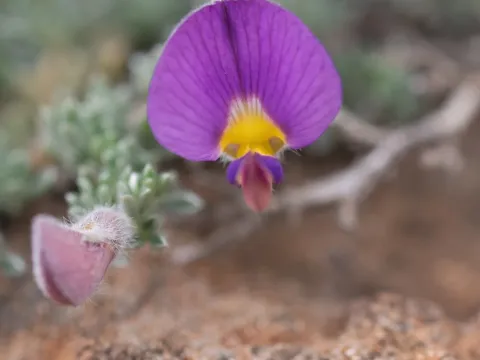
Lotononis
Lotononis
Sowing Lotononis requires soil that is adequately warmed and possesses sufficient moisture to support initial germination. In subtropical regions, the beginning of the rainy season is considered the ideal time for establishing the crop.
What the section contains

Lotononis
The seeding rate varies based on the intended application, with lower densities often used for pasture enrichment compared to intensive hay production. Seeds should be sown at a shallow depth of 1-2 cm to ensure optimal contact with the soil profile.
To improve germination rates, Lotononis seeds often undergo scarification to break down the hard seed coat. This treatment is highly effective in increasing the percentage of seedlings established in the first year of growth.
Post-sowing rolling is recommended to keep moisture within the upper soil layer, which promotes uniform germination. Using specific inoculants is also advised to ensure effective symbiosis with nitrogen-fixing bacteria from the outset.
As initial growth is relatively slow, weed management during the first two months is critical for establishing a healthy stand. Once established, the crop forms a dense mat that effectively suppresses competing vegetation.
Lotononis belongs to the Fabaceae family and is recognized as a highly adaptable forage legume. It thrives in a variety of soil types, including those with low fertility or acidic characteristics, which are often unsuitable for other legumes.
Optimal productivity is achieved on well-drained soils with moderate levels of nutrients. Its high tolerance to acidity makes Lotononis an excellent choice for improving pastures in regions where soil chemistry limits standard forage options.
Climatically, Lotononis displays significant drought tolerance once the root system is fully established. However, for maximum biomass production, consistent rainfall during the active growth phase is required to maintain vigour.
The plant prefers open, sunny environments and does not perform well under heavy shading. This must be taken into account when planning intercropping or mixed-species pasture strategies to ensure the crop has access to full light.
A key biological trait of Lotononis is its nitrogen-fixing capacity through root nodules. This process naturally enriches the soil, making it a valuable asset for maintaining soil fertility in long-term grazing systems.
The primary use of Lotononis is for grazing livestock and producing high-quality forage. The plant is highly palatable and provides essential proteins and nutrients required for the healthy development of cattle and sheep.
Green biomass from Lotononis supports consistent weight gain in livestock, making it a preferred component in many high-performance pasture blends. It also improves overall metabolic health due to its nutrient-rich foliage.
Yield depends heavily on the intensity of grazing management and the quality of the agricultural environment. With proper rotation, Lotononis stands can support multiple grazing cycles throughout a single growing season.
The plant exhibits exceptional resilience to grazing pressure and recovers quickly after being defoliated. This durability makes it a long-lasting and reliable component of permanent pasture systems in tropical and subtropical regions.
Beyond its use as fodder, Lotononis serves as a green manure crop. Its ability to produce significant biomass rapidly helps in restoring soil structure and increasing organic carbon levels in exhausted fields.
Excessive humidity can lead to fungal infections, particularly root rot, in Lotononis stands. Maintaining proper soil drainage and aeration is a crucial preventative measure against waterlogged conditions that trigger disease.
Pests such as weevils, common in many legume species, may attack flowers and developing seeds. Regular field monitoring is necessary during the flowering stage to identify and manage potential infestations early.
Nematodes represent a potential threat to the root systems in infested soil. Implementing a structured crop rotation program is the most effective way to prevent the buildup of these soil-borne pests.
Overly dense stands can suffer from powdery mildew due to poor airflow within the crop canopy. Adjusting the seeding rate or using wider row spacing can help maintain the environmental conditions necessary to suppress this issue.
When disease or pest symptoms appear, farmers should assess the extent of the damage and apply targeted control measures. Effective management follows an integrated approach to maintain the health and longevity of the forage stand.