
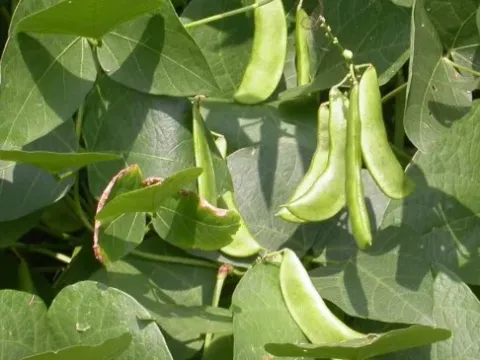
Lima bean
Phaseolus pallar
The Lima bean (Phaseolus lunatus), also known as the butter bean or sieva bean, belongs to the Fabaceae family. It is a warm-season crop that requires a longer frost-free growing period compared to the common bean, making its planting schedule critical.
What the section contains
Lima bean
Seeds should be sown only when the soil has thoroughly warmed up, ideally reaching temperatures of at least +18°C. In regions with shorter growing seasons, starting seeds indoors in biodegradable pots 3 to 4 weeks before the last frost is highly recommended.
The planting depth should be approximately 3 to 5 cm. Given that many varieties are vigorous climbers, it is essential to provide adequate spacing. Bush varieties typically require 40–50 cm between rows, while pole varieties need more space to accommodate trellises or supports.
Optimal germination occurs in moist, warm soil. Avoiding cold, wet soil is crucial during the early stages of development, as seeds are highly susceptible to rotting if the soil is too cool or waterlogged for an extended period.
Proper crop rotation is advisable when planning the sowing area. Avoiding the planting of beans in the same spot for at least three years helps prevent the buildup of soil-borne pathogens and supports better overall plant health.
##requirements##Lima beans thrive in temperatures between +20°C and +28°C. Exposure to temperatures below +10°C will significantly stunt growth, and frost will cause irreversible damage, so timing the planting according to local climate data is essential for success.
These plants prefer well-drained, fertile soil with a slightly acidic to neutral pH. Heavy clay soils that retain excessive moisture can lead to root diseases and poor yield, so amending the soil with organic matter prior to planting is a standard best practice.
Full sun exposure is a must for Lima beans. They require consistent light throughout the day to support active flowering and pod development. Shaded areas will significantly reduce yield and increase the plant's susceptibility to diseases like powdery mildew.
Consistent moisture is required throughout the growing season, particularly during the flowering and pod-filling stages. While drought stress can cause blossoms to drop, over-watering should also be avoided to maintain soil aeration and root health.
Mulching around the base of the plants helps retain soil moisture and suppresses weed competition. A well-managed weed-free environment is vital to prevent the spread of pests and diseases that might be harbored by common garden weeds.
##yield##Lima beans are highly valued for their high protein, fiber, and mineral content. They are used in various culinary applications, ranging from fresh consumption in summer salads to dry storage for winter stews and soups.
Yield varies significantly by variety; large-seeded "Fordhook" types generally require longer, warmer seasons, while small-seeded "Sieva" types are often more resilient. Selecting the right variety for your specific climate is key to maximizing harvests.
In well-maintained garden plots, Lima beans can provide high yields per square meter. To optimize production, gardeners often pinch off the tips of vining varieties once they reach the top of their support, forcing energy into pod production.
The harvest phase is determined by the intended use. For fresh consumption, pods should be picked when they are firm and the seeds inside are plump but still tender. For dry beans, pods should be left to mature fully on the vine until they are dry and brittle.
Proper harvesting practices ensure high quality. Gentle handling during the collection process prevents damage to the seeds, which is particularly important if the beans are intended for future seed saving or long-term storage.
##threats##Common diseases affecting Lima beans include anthracnose, bacterial blight, and root rot. These are often triggered by high humidity and poor air circulation. Using disease-resistant varieties and maintaining adequate spacing are the most effective preventive measures.
Pests such as aphids, spider mites, and the bean weevil are frequent threats. The bean weevil, in particular, can be devastating to stored dried beans, making post-harvest treatment and proper storage conditions essential to protecting the crop.
Integrated Pest Management (IPM) strategies, including the use of beneficial insects and selective application of organic-approved pesticides, can help manage pest populations without harming the beneficial pollinators needed for pod set.
Vigilant monitoring for signs of infection or infestation is recommended. Early detection of spider mites, for instance, allows for treatment with water sprays or insecticidal soaps before a major outbreak occurs across the planting area.
Maintaining soil hygiene by removing plant debris at the end of the season prevents pathogens from overwintering in the garden, thereby creating a cleaner environment for the next cycle of cultivation.
##harvest##Harvesting for dried seeds requires patience; pods should be allowed to turn yellow and dry naturally on the plant. Harvesting in dry weather is crucial to ensure that moisture levels are low enough to prevent mold during the storage phase.
For pole-type varieties, harvesting should be performed in stages, as pods at the bottom of the vine often mature earlier than those at the top. Regular picking encourages the plant to continue producing flowers and new pods.
After picking, pods meant for drying should be spread out in a well-ventilated, shaded area to complete the curing process. Once the pods are completely brittle, they can be threshed, and the beans cleaned of any chaff or debris.
Dried beans should be stored in airtight containers in a cool, dark, and dry environment. To protect against potential weevil infestations, some growers recommend freezing the dried seeds for 48 hours before final sealing and storage.
Well-stored Lima beans can maintain their quality and germination capacity for several years. Consistent checking for signs of moisture or pests in storage containers will ensure the long-term viability of the saved harvest.