
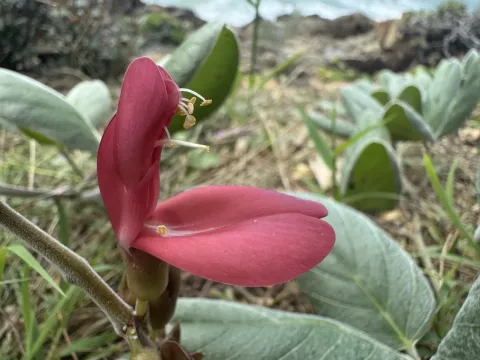
Canavalia sericea
Canavalia sericea
Canavalia sericea is a warm-season legume that requires soil temperatures above 20 degrees Celsius for successful germination. Sowing should coincide with the beginning of the wet season in tropical areas to ensure consistent moisture for initial root establishment.
What the section contains
Canavalia sericea
Seeds are typically planted at a depth of 3 to 5 centimeters in rows spaced 60-80 centimeters apart. This spacing allows for sufficient light penetration and air movement, which are critical for preventing disease outbreaks within the canopy.
Proper seedbed preparation is essential; the soil should be loose and friable to facilitate rapid radicle penetration. Using high-quality, treated seeds can significantly reduce early seedling mortality caused by soil-borne pathogens.
In terms of seeding density, managing the population is vital for optimizing biomass production. Over-seeding can lead to intense competition for light and water, reducing the overall vigor of individual plants during the growing cycle.
Strategic timing of sowing not only boosts yield but also ensures the crop reaches maturity before any adverse climatic conditions occur. Growers are advised to check soil moisture levels prior to planting to guarantee that the seeds have the optimal environment for activation.
As a member of the Fabaceae family, Canavalia sericea thrives in tropical and subtropical environments. It prefers well-drained, fertile soil, though it possesses a remarkable capacity to adapt to various soil types due to its deep root architecture.
The plant requires full sun exposure to maximize photosynthetic activity, which is essential for both vegetative biomass and seed production. Shaded environments often result in stunted growth and diminished crop quality.
Water requirements for this species are moderate, but consistent hydration is needed during the early stages of development. Once established, the plant exhibits some drought tolerance, though prolonged water stress will inevitably impact yield.
Soil pH should ideally be neutral or slightly acidic for optimal nutrient availability. While Canavalia sericea can fix nitrogen via symbiotic bacteria, supplementing with small amounts of phosphorus can promote healthier root systems.
Good agricultural practices include regular weeding during the early weeks of plant development to prevent weed competition. By maintaining clean fields, growers can ensure that the crop receives all available soil nutrients and moisture without interference.
Common pests affecting Canavalia sericea include aphids and foliage-feeding beetles. These insects can cause significant damage to young leaves, weakening the plant and making it more susceptible to environmental stressors.
Fungal diseases like anthracnose are prevalent in humid conditions. Managing these requires good field hygiene, such as removing infected plant debris, and applying targeted fungicides if infestations exceed economic threshold levels.
Root rot, driven by excessive soil moisture, is a frequent threat that leads to plant collapse. Implementing proper drainage systems and avoiding waterlogging are the most effective preventative measures against this disease.
Viral pathogens represent another challenge, often spread by insect vectors. Monitoring populations of potential carriers is essential to mitigate the spread of these diseases within the field.
Nematode infestations can severely compromise the plant's ability to absorb water and nutrients. Crop rotation is highly recommended as a long-term strategy to break the life cycle of soil-borne pests and maintain field fertility.
Harvesting strategies depend on the end-use of the crop. If the objective is green manure, the plants should be mown or incorporated into the soil just before flowering to maximize nitrogen content and biomass decomposition.
For seed production, harvesting takes place once the pods have reached physiological maturity, turning brown and drying on the vine. It is crucial to monitor pod moisture to minimize losses during the mechanical harvesting process.
Mechanical harvesters should be calibrated to minimize seed damage, especially when dealing with the large, sensitive seeds of the Canavalia genus. Proper drying of seeds after harvest is necessary to prevent post-harvest spoilage and fungal growth.
Timing the harvest is critical; picking too early results in low seed viability, while waiting too long increases the risk of pod shattering and yield loss in the field. Careful planning based on local weather forecasts is highly beneficial.
After the harvest, proper storage conditions are essential for maintaining the quality of the seeds. They should be stored in a cool, dry, and well-ventilated area to ensure long-term viability for future planting seasons.