
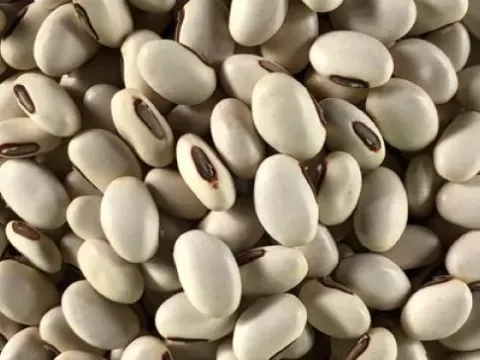
Canavalia plagiosperma
Canavalia plagiosperma
Canavalia plagiosperma is a species of flowering plant in the family Fabaceae. Known commonly for its vigorous growth, this climbing legume is a significant crop in various tropical agricultural systems, valued for its durability and biomass production.
What the section contains
Canavalia plagiosperma
The plant originates from the tropical regions of South America. It is widely adapted to tropical climates and is cultivated across various regions of Latin America, where it thrives in conditions that mimic its native habitat's temperature and humidity profiles.
The species requires warm temperatures for optimal growth and development. It is highly susceptible to frost and requires a long growing season to reach its full potential, making it unsuitable for cultivation in temperate zones without controlled environments.
Canavalia plagiosperma is notably versatile regarding soil conditions. It is known to perform well in poor, acidic, or sandy soils where other crops might fail. However, it requires well-draining soil to prevent root rot and ensure healthy development of its nodules.
Agriculturally, this crop is utilized as a high-protein forage source for livestock and as an effective cover crop. By fixing atmospheric nitrogen into the soil, it plays a key role in improving soil fertility for subsequent crop rotations.
The crop is susceptible to several fungal diseases, particularly under conditions of high humidity or poor air circulation. Anthracnose and various leaf spot pathogens can significantly reduce the overall foliage quality and plant health if not monitored properly.
Pests such as seed-boring beetles and pod-sucking insects pose a significant threat to the plant's reproductive success. These pests can infest the developing pods, leading to significant yield losses if left unchecked during the critical flowering and pod-filling stages.
Root-knot nematodes are another major concern for Canavalia plagiosperma, especially when grown in soils that have been repeatedly cropped with susceptible legumes. Infestation manifests as stunted growth and poor nodulation, eventually leading to diminished yield.
Managing these threats requires a systematic approach, including the use of certified disease-free seeds and the implementation of strict sanitation practices. Integrated Pest Management (IPM) strategies are recommended to minimize reliance on synthetic chemical inputs.
Producers must prioritize proper spacing and weed management to ensure that the plants have enough resources to develop strong natural defenses. Maintaining soil health and biodiversity within the field helps mitigate the severity of pest and disease outbreaks.