
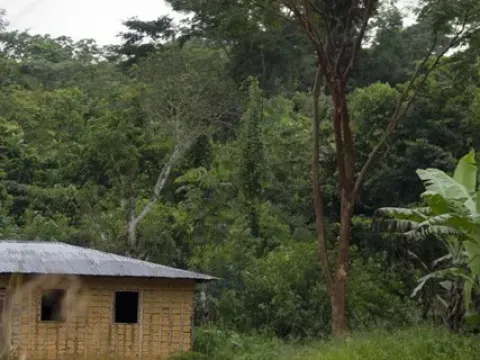
Copaifera religiosa
Copaifera religiosa
Copaifera religiosa is a tree species belonging to the Fabaceae family. It is native to the humid tropical forests of West Africa, where it thrives in specific ecological niches.
What the section contains
Copaifera religiosa
This species requires a warm, humid tropical climate with minimal seasonal variation, as it is highly sensitive to cold stress and freezing temperatures.
The preferred soil for this crop is deep, well-draining, and nutrient-rich, allowing for extensive root development and preventing waterlogging that could damage the tree.
High relative humidity is essential for the healthy development of Copaifera religiosa, mirroring its natural forest habitat in equatorial regions.
While the trees mature under full sun exposure, juvenile plants benefit from partial shade, which prevents leaf scorching and maintains stable moisture levels in the soil.
The primary economic product of Copaifera religiosa is copaiba balsam, an oleoresin collected from the tree's trunk, which is prized for its diverse therapeutic properties.
This resin is extensively utilized in the pharmaceutical, cosmetic, and fragrance industries due to its complex chemical composition, including volatile oils and diterpenes.
The extraction process is a delicate procedure that, when done correctly, allows for continuous harvests while preserving the vitality and health of the tree.
In addition to resin, the wood of Copaifera religiosa is valued for its durability, hardness, and resistance to decay, making it a high-quality material for furniture.
Yield management requires careful monitoring of the plantation, focusing on sustainable tapping cycles to ensure a long-term supply of the botanical resources.
Boring insects represent a significant risk to Copaifera religiosa, particularly attacking trees that have already been weakened by improper resin extraction techniques.
Fungal pathogens can colonize the tapping wounds, leading to wood rot, bark necrosis, and, in severe cases, the eventual death of the affected specimen.
Poor plantation management, such as overcrowding, increases the risk of spreading infections between individual trees, reducing the overall productivity of the crop.
Invasive weed species can outcompete young seedlings for soil nutrients, moisture, and light, significantly hindering their early growth stages on newly established plantations.
Integrated pest management strategies are recommended, including routine health inspections and the implementation of hygienic tapping protocols to mitigate these biological threats.