
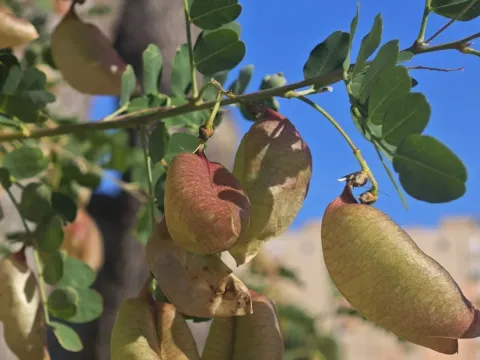
Bladder senna
Colutea arborescens
The propagation of Colutea arborescens is typically achieved through seed sowing in the spring. Due to the hard seed coat, scarification is highly recommended to improve germination rates significantly.
What the section contains
Bladder senna
Seeds should be planted in well-draining soil at a depth of about 2 to 3 centimeters. Proper preparation of the seedbed ensures better contact between the seed and the soil, facilitating early growth.
Watering during the germination phase is critical. However, once established, the plant becomes remarkably drought-tolerant, reducing the need for constant supplemental irrigation.
Vegetative propagation via softwood or semi-hardwood cuttings is also a viable method during the active growing season. This technique is often used to ensure the genetic characteristics of the parent plant are maintained.
When establishing new shrubs, provide adequate space for air circulation. Planting density should consider the mature size of the bush, which can reach up to 3–4 meters in height under ideal conditions.
Colutea arborescens belongs to the Fabaceae family and is native to the Mediterranean region. It is a robust, deciduous shrub valued for its ornamental, bladder-like seed pods that appear after flowering.
The species is highly adaptable to various soil types, provided they are not waterlogged. It thrives in chalky, rocky, and nutrient-poor soils where many other garden plants would struggle.
Full sun is essential for the healthy development of this shrub. Exposure to sunlight promotes dense foliage and triggers the production of yellow, pea-like flowers that attract pollinators.
While the plant is hardy in temperate climates, it appreciates protection from harsh, drying winds. In very cold regions, mulching around the root zone helps protect the plant from extreme winter temperatures.
Annual pruning is beneficial for maintaining a tidy structure. Removing weak or crowded branches encourages vigorous new growth and improves the overall aesthetic value of the shrub.
Aphids are the most common pest found on the tender shoots of Bladder senna. They can significantly weaken young plants and encourage the growth of sooty mold if not treated promptly.
Powdery mildew is a common fungal threat, particularly in humid environments with poor air circulation. It manifests as a dusty white layer on the foliage, eventually leading to premature leaf drop.
Root rot caused by stagnant water is a serious physiological concern. Improving soil structure through the addition of grit or sand is an effective preventative measure against this condition.
Regular monitoring of plant health allows for the early detection of pests. Integrated pest management, including the encouragement of natural predators like ladybugs, is highly effective.
Sanitation practices, such as pruning away heavily infected parts and clearing debris under the canopy, are essential to minimize the recurrence of fungal diseases in the next season.