
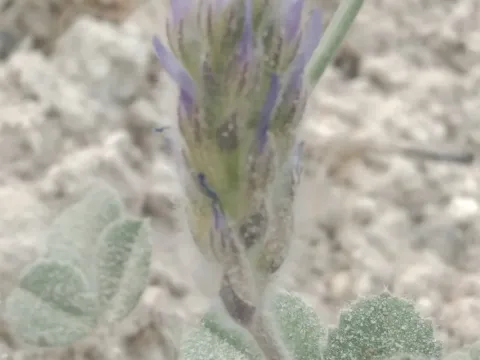
Blue fenugreek
Trigonella coerulescens
Blue fenugreek belongs to the Fabaceae family and is recognized as an annual herbaceous plant. Sowing is typically carried out in early spring once soil temperatures reach 10°C to 12°C for optimal germination rates.
What the section contains
Blue fenugreek
Seeds are sown in rows with spacing of 20 to 30 cm, and buried at a shallow depth of 2 to 3 cm. This planting depth is crucial to protect the seeds from birds while ensuring quick emergence within two weeks.
The crop thrives in well-drained, fertile soils with a neutral pH level. It prefers sunny locations and is moderately adaptable to different soil textures, ranging from sandy loams to heavier clay loams.
While the plant shows some resistance to short-term dry spells, consistent soil moisture is required during the vegetative phase to ensure high biomass production. Excess irrigation should be strictly avoided.
Organic matter enrichment is recommended before sowing to boost productivity. Proper aeration of the soil bed is essential to prevent root development issues, as the plant does not tolerate waterlogging.
Harvesting for the green herb is timed to occur when the plant is in full bloom. This specific growth stage ensures the highest concentration of volatile compounds, which provide the plant's signature aroma.
For seed production, the pods are harvested as they begin to yellow, before they fully dry and shatter in the field. Post-harvest, the material should be processed promptly to maintain quality standards.