
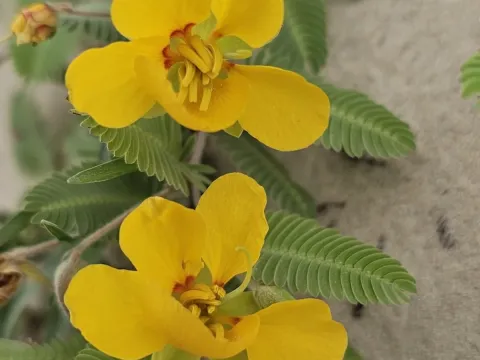
Chamaecrista flexuosa
Chamaecrista flexuosa
Chamaecrista flexuosa is a perennial herbaceous plant belonging to the Fabaceae family, native to South American landscapes where it has adapted to various ecological niches.
What the section contains
Chamaecrista flexuosa
This species is well-regarded in agriculture for its ability to thrive in poor, acidic soils, making it a valuable asset for land rehabilitation and soil health improvement.
Regarding climate, the plant exhibits remarkable drought tolerance, which allows it to remain productive in regions with seasonal rainfall patterns.
The crop requires well-drained soil conditions to prevent root suffocation, as it is susceptible to damage from waterlogging during high-precipitation periods.
Biologically, it is efficient at nitrogen fixation, forming symbiotic relationships with soil bacteria that contribute to the nitrogen balance of the ecosystem.
In terms of agricultural utility, Chamaecrista flexuosa is primarily utilized as a forage crop, providing essential protein content for ruminants and other livestock.
The plant has a robust capacity for regrowth after harvesting, allowing for multiple cuts within a single growing season under favorable management practices.
Apart from forage, it serves as an effective cover crop, helping to protect soil from erosion and supplying organic matter through green manure practices.
The total dry matter yield is highly influenced by the spacing of plants and the availability of essential nutrients in the topsoil layer during early development.
Effective pasture management involving this species helps to optimize the nutritional quality of the forage provided to animals throughout the year.
Like many leguminous species, Chamaecrista flexuosa can be affected by various fungal pathogens, especially if the humidity levels remain consistently high.
Insect pests, including leaf-chewing larvae and sap-sucking insects, pose a potential threat to the vegetative canopy during the active growth phases.
Maintaining proper field sanitation and avoiding excessive density during sowing are crucial steps to minimize the incidence of disease and pest outbreaks.
Integrated pest management strategies are often recommended to monitor and address early signs of stress or biological damage in the field.
Careful selection of seeds and appropriate site preparation are fundamental to establishing a healthy stand capable of resisting common environmental threats.