
Buffalo clover
Trifolium fucatum
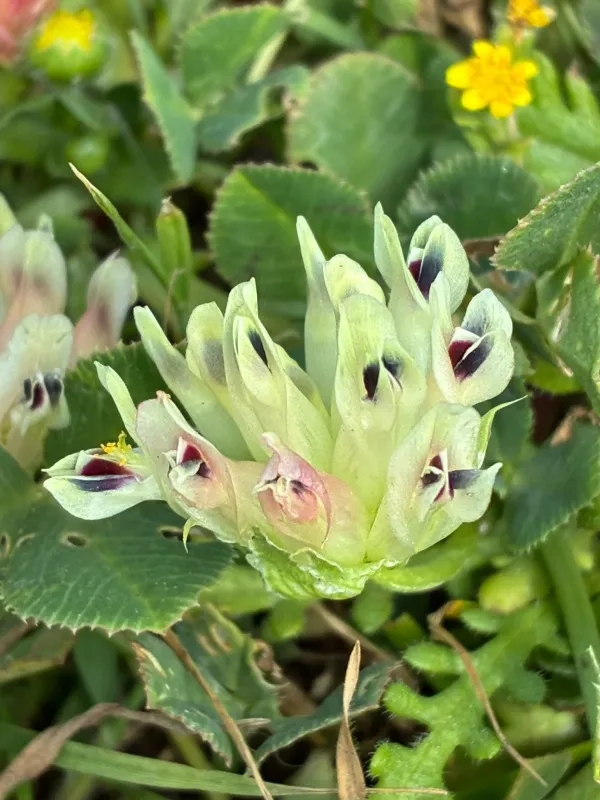
Description
Sowing dates
Buffalo clover (Trifolium fucatum) is an annual legume native to the western regions of North America, particularly California. It is a highly productive plant known for its ability to thrive in diverse soil conditions and provide high-quality forage for livestock.
The sowing season typically occurs in the autumn months. This timing allows the plant to establish a robust root system during the cool, wet months of the year, which is essential for its survival and growth before the onset of the summer dry season.
Preparation of the seedbed involves creating a fine, weed-free environment to support the small seeds. Optimal planting depth is shallow, usually around 1 to 2 centimeters, ensuring that seeds remain in contact with moisture while having enough cover to prevent desiccation.
Seeding rates should be adjusted based on the specific end use, whether it is for direct pasture grazing or for hay production. Proper spacing ensures that the plants can compete effectively against weeds and reach their maximum potential biomass yield.
Using high-quality, scarified seeds can significantly improve germination uniformity. This approach is highly recommended in large-scale agricultural operations to ensure a dense stand that effectively utilizes the available land and nutrient resources.
Growing requirements
One of the most notable advantages of Buffalo clover is its tolerance for heavier, clay-based soils that often exhibit poor drainage. While many other clover species fail in these conditions, this variety remains resilient and continues to produce forage.
The plant requires adequate soil moisture during the spring to reach its peak growth. It is highly efficient at converting early-season rainfall into green biomass, making it a valuable addition to rotation plans where spring productivity is a priority.
Soil pH requirements are generally neutral to slightly alkaline. The plant enters into a symbiotic relationship with nitrogen-fixing bacteria, which reduces the need for synthetic nitrogen fertilizers and improves overall soil health for future crops.
Buffalo clover thrives in full sun but maintains reasonable productivity in partial shade. The ideal temperature range for active vegetative growth is between 15 and 22 degrees Celsius, which corresponds to the mild spring climates of its natural habitat.
Strategic management of grazing intensity is necessary to prevent overgrazing during the late spring. By rotating livestock, farmers can ensure that the clover maintains a strong vegetative structure until it reaches the desired stage for harvest or seed maturation.
Main diseases and pests
Root rot is a primary concern for Buffalo clover, particularly when soils remain saturated for extended periods. Proper field management, including the installation of adequate drainage systems, is the most effective preventative strategy against these pathogens.
Insect pests, such as aphids and various larvae, can damage the succulent leaves of the clover. Regular field inspections are recommended to monitor for early signs of infestation and to determine if biological or chemical intervention is necessary to preserve the crop.
Powdery mildew can become a significant issue if the stand is too dense or if humidity levels remain high for prolonged periods. Ensuring proper air circulation through calculated plant density helps mitigate the risk of fungal spread throughout the field.
Competition from invasive weeds is a critical factor during the establishment phase. Effective pre-planting site preparation and the use of clean, certified seeds are essential practices to ensure that the clover establishes a dominant presence in the field.
Finally, improper harvest timing can lead to significant yield losses due to early seed drop. Understanding the phenological stages of the plant allows the grower to harvest at the precise moment when the nutritional value and biomass volume are at their highest.