
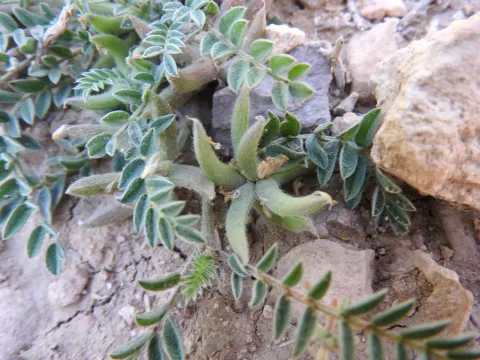
Astragalus tribuloides
Astragalus tribuloides
Astragalus tribuloides is a plant species belonging to the Fabaceae family. It is typically found in arid and semi-arid regions, known for its ability to thrive in challenging environments where other crops struggle.
What the section contains
Astragalus tribuloides
Sowing should be carried out early in the spring as soon as the soil temperatures rise. Proper seed placement, typically at a depth of 2–3 centimeters, is essential to ensure moisture access and optimal germination rates.
Seeds of this species are robust but require adequate initial soil moisture to break dormancy. Preparing a fine seedbed helps in maintaining the uniform distribution of seeds across the field.
The sowing rate depends on whether the crop is intended for forage, cover, or seed production. Consistent spacing allows for better resource competition management and facilitates easier mechanical harvesting.
Following sowing, light rolling of the soil surface is recommended to improve capillary moisture transfer. This step is particularly vital in arid conditions to support rapid root establishment.
This species is highly heliophilous and performs best in locations with direct, unobstructed sunlight. It is exceptionally tolerant to high temperatures, making it a suitable candidate for hot, desert-like climates.
The plant thrives in light, sandy, or well-drained loamy soils. It has a low tolerance for heavy, clay-rich soils that are prone to waterlogging, which can easily lead to root system failure.
Astragalus tribuloides prefers neutral to slightly alkaline soil conditions. Proper soil drainage is a critical requirement, as the plant cannot survive in waterlogged or swampy conditions.
Its drought tolerance is a key biological feature, allowing it to complete its life cycle during short windows of available moisture. This efficiency makes it valuable for low-rainfall agricultural zones.
Maintenance is relatively low due to the plant's natural competitive ability. Weed control is primarily important during the establishment phase, after which the crop can generally suppress competing vegetation.
Root rot and fungal pathogens are the primary threats, especially if soil moisture levels remain too high. Proper site selection and drainage management are the best preventative measures against these issues.
Maintaining a strict crop rotation schedule helps reduce the accumulation of soil-borne pathogens. Planting legumes in the same area too frequently increases the risk of infection significantly.
Insect pests, such as weevils, can affect both the root system and foliage. Farmers should monitor fields regularly for signs of infestation to implement timely management strategies when necessary.
Aphids may occasionally target the plants during hot, dry spells, impacting the overall vitality of the crop. Biopesticides are often preferred to control these populations while maintaining environmental balance.
Overall, building a healthy crop stand by providing adequate aeration and avoiding overcrowding helps in naturally resisting biotic pressures and ensuring a successful harvest.
Harvesting for forage should occur during the flowering stage, as this is when the biomass contains the highest concentration of protein and essential nutrients for livestock.
For seed production, the harvest is initiated once the pods are fully mature and dry. Careful timing is crucial to avoid the natural shattering of pods, which can lead to significant yield losses in the field.
Modern harvesting machinery should be calibrated to handle the delicate seeds with care. Harvesting during the early morning hours, when humidity is slightly higher, can help reduce shattering losses.
Post-harvest processing involves cleaning and drying the seeds to meet storage standards. Ensuring low moisture levels during storage prevents fungal growth and maintains high germination quality for the next season.
Astragalus tribuloides is increasingly recognized for its potential as a high-quality forage supplement. Its ability to provide essential nutrition makes it a valuable asset in sustainable arid agriculture.