
Astragalus testiculatus
Astragalus testiculatus
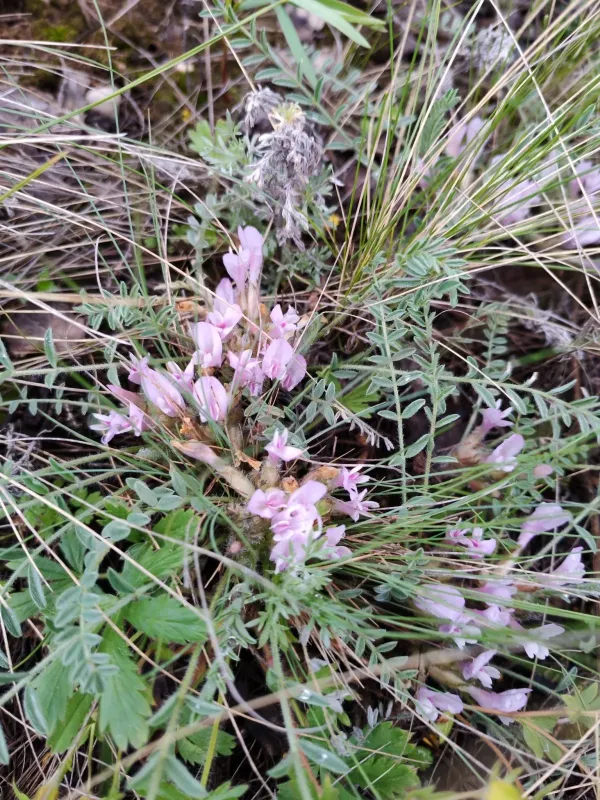
Description
Sowing dates
Astragalus testiculatus is a perennial herbaceous plant belonging to the Fabaceae family. It is known for its adaptation to arid and semi-arid environments, making it a subject of interest for agricultural research.
Sowing should ideally occur in early spring to utilize the moisture accumulated in the soil. Proper seedbed preparation is vital to ensure optimal contact between the seeds and the soil structure.
Given the hard seed coat, pre-sowing scarification is highly recommended to improve germination rates. Without this mechanical or chemical treatment, the emergence of seedlings may be uneven.
The sowing depth should be maintained at approximately 1 to 2 centimeters. Overly deep sowing can prevent small seeds from reaching the surface, while too shallow sowing leads to drying out.
During the first year, plants invest heavily in root system development. Therefore, weed management is essential during this establishment phase to ensure the plants are not suppressed by more aggressive species.
Growing requirements
This species is highly drought-tolerant, naturally occurring in steppe regions where it thrives under conditions of low precipitation and high solar radiation.
It prefers well-drained, neutral to slightly alkaline soils. Astragalus testiculatus is notably sensitive to waterlogging, which can easily trigger root rot and cause plant mortality.
The plant demonstrates significant cold tolerance, allowing it to survive harsh winter temperatures. Its ability to fix atmospheric nitrogen is a key ecological advantage, enriching the soil for future rotation crops.
Optimal growth is observed in sunny, open areas. It does not require high levels of nitrogen fertilizers, as the symbiotic relationship with soil bacteria provides sufficient nitrogen for its needs.
Agricultural management should focus on preserving soil structure. Excessive tilling can be detrimental, so minimal or no-till practices are often preferred in the cultivation of perennial legumes.
Main diseases and pests
Weevils are among the primary pests that target the generative organs of Astragalus testiculatus, potentially causing significant yield losses in seed production fields.
Fungal diseases, including powdery mildew and rust, can occur if humidity levels remain high for extended periods, especially in poorly ventilated fields with high plant density.
Root rot, often caused by poor drainage or fungal pathogens in the soil, poses a significant threat to the longevity of the perennial stands.
Crop rotation is the most effective cultural practice to manage soil-borne diseases. Avoiding monoculture is crucial for maintaining the long-term health of the legume fields.
Integrated pest management strategies should be applied to protect the plant while preserving the natural pollinators required for successful fertilization of the flowers.