
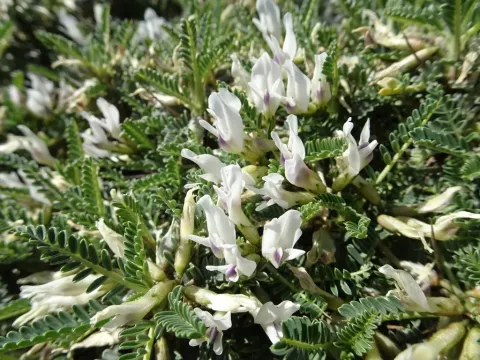
Astragalus tragacantha
Astragalus tragacantha
Sowing of Astragalus tragacantha is typically performed in the spring season once the soil temperature reaches a stable range. The seeds possess a hard, impermeable seed coat, which necessitates specific pre-sowing treatments for uniform emergence.
What the section contains
Astragalus tragacantha
Mechanical or chemical scarification is considered an essential practice to break seed dormancy. This procedure significantly improves germination rates and ensures a consistent plant stand across the field.
The recommended seeding rate is based on the specific end-use, usually ranging from 8 to 12 kilograms per hectare. Proper seedbed preparation is critical, as the small seeds should not be buried deeper than 2–3 centimeters.
Since the initial growth stage of this crop is relatively slow, maintaining a weed-free environment is vital. Early-stage weed suppression allows the seedlings to establish a deep root system necessary for later resilience.
In regions with mild winters, autumn sowing can also be viable, utilizing the winter precipitation to trigger early germination as soon as temperatures rise in the following spring.
Astragalus tragacantha is a member of the Fabaceae family, highly adapted to sunlight and open environments. The species is noted for its exceptional tolerance to heat and prolonged periods of drought, making it suitable for semi-arid climates.
The crop thrives in well-drained soils, including sandy, gravelly, or calcareous substrates. It does not tolerate waterlogging, as excessive soil moisture quickly leads to root rot and significant stand loss.
Neutral to slightly alkaline pH levels are ideal for optimal nutrient uptake. While the plant can survive on nutrient-poor soils, the application of balanced phosphorus and potassium fertilizers can enhance its productivity and root depth.
Climatic requirements focus on a balance between moderate rainfall and high sunshine levels. The plant is inherently hardy and can withstand temperature fluctuations typical of its native Mediterranean range.
As a legume, it fixes atmospheric nitrogen through symbiotic bacteria, effectively improving soil fertility. This makes it a valuable asset in crop rotation systems aimed at soil restoration and sustainable agricultural management.
The forage yield of Astragalus tragacantha is appreciated for its quality and protein content. When harvested at the right phenological stage, it provides highly nutritious hay suitable for livestock consumption.
Harvesting for fodder is best performed during the peak flowering stage, which ensures a good balance between biomass volume and nutritional quality. Care must be taken not to mow too low to allow for future regrowth.
The crop serves as an excellent nectar source for honeybees, extending the forage period during the flowering season. This dual-purpose usage adds significant economic value to the cultivation of the plant.
Seed production requires vigilance, as the pods are prone to shattering upon full maturity. Harvesting should be initiated when the pods reach a distinct brownish color to minimize losses.
With proper management, the stand remains productive for several years, providing long-term consistency for farmers. Regular maintenance helps in preserving the vigor of the plant population over time.
Powdery mildew is the most common pathological issue, particularly when humidity levels rise and air circulation within the canopy is restricted. Proper plant spacing is the primary preventive measure.
Root rot diseases may occur in poorly drained, compacted soils. Strict adherence to crop rotation practices and avoiding over-irrigation are key components of effective disease management for this crop.
Various weevils and aphids represent the main insect threats to the plant, potentially causing damage to foliage and developing buds. Routine field inspections are recommended during the critical stages of development.
Integrated pest management, including the use of biological control agents, is highly recommended to protect the crop without disrupting the local ecosystem or harming beneficial insect populations.
Overall, Astragalus tragacantha exhibits strong inherent resistance to many common agricultural diseases, making it a reliable and low-maintenance crop compared to more demanding legumes.